
Reviews & Guides · Creative Tools
Bambu Lab A1: Colourful Prints, Stubborn Removal and Optional AMS
I found the Bambu Lab A1 genuinely fun for colourful prints, but removing stuck parts remained difficult even after I tried a low-temperature build plate.
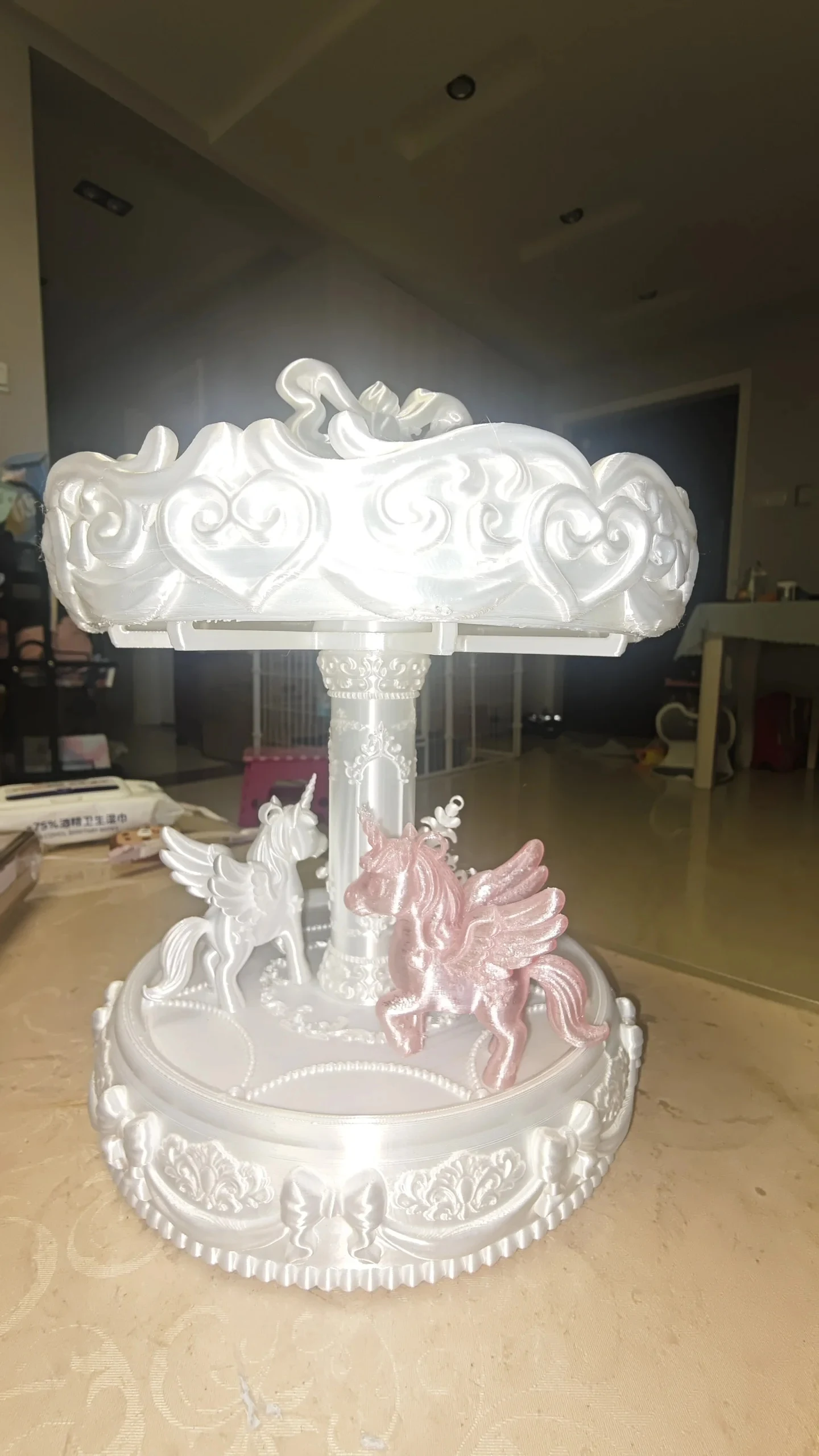
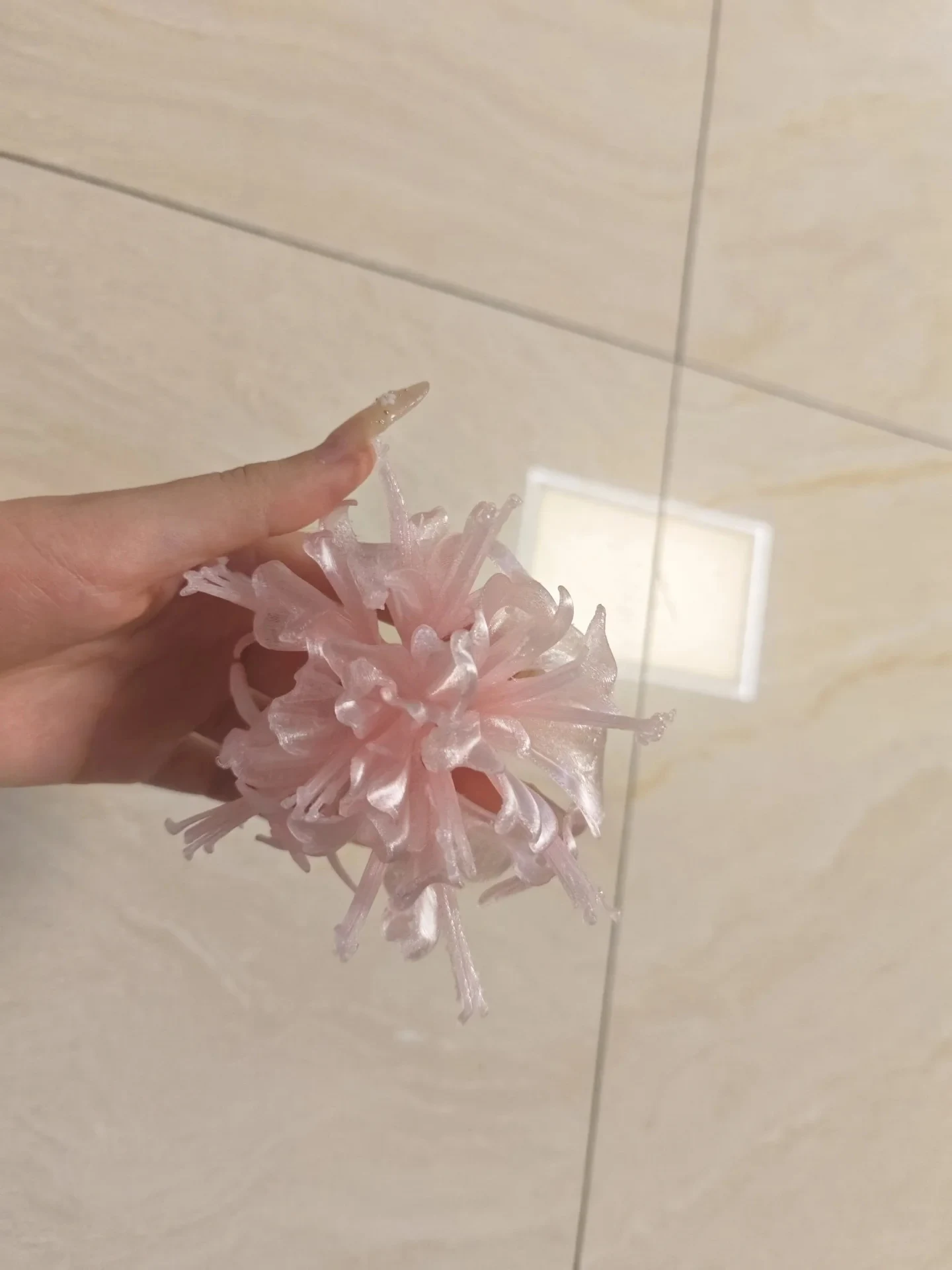
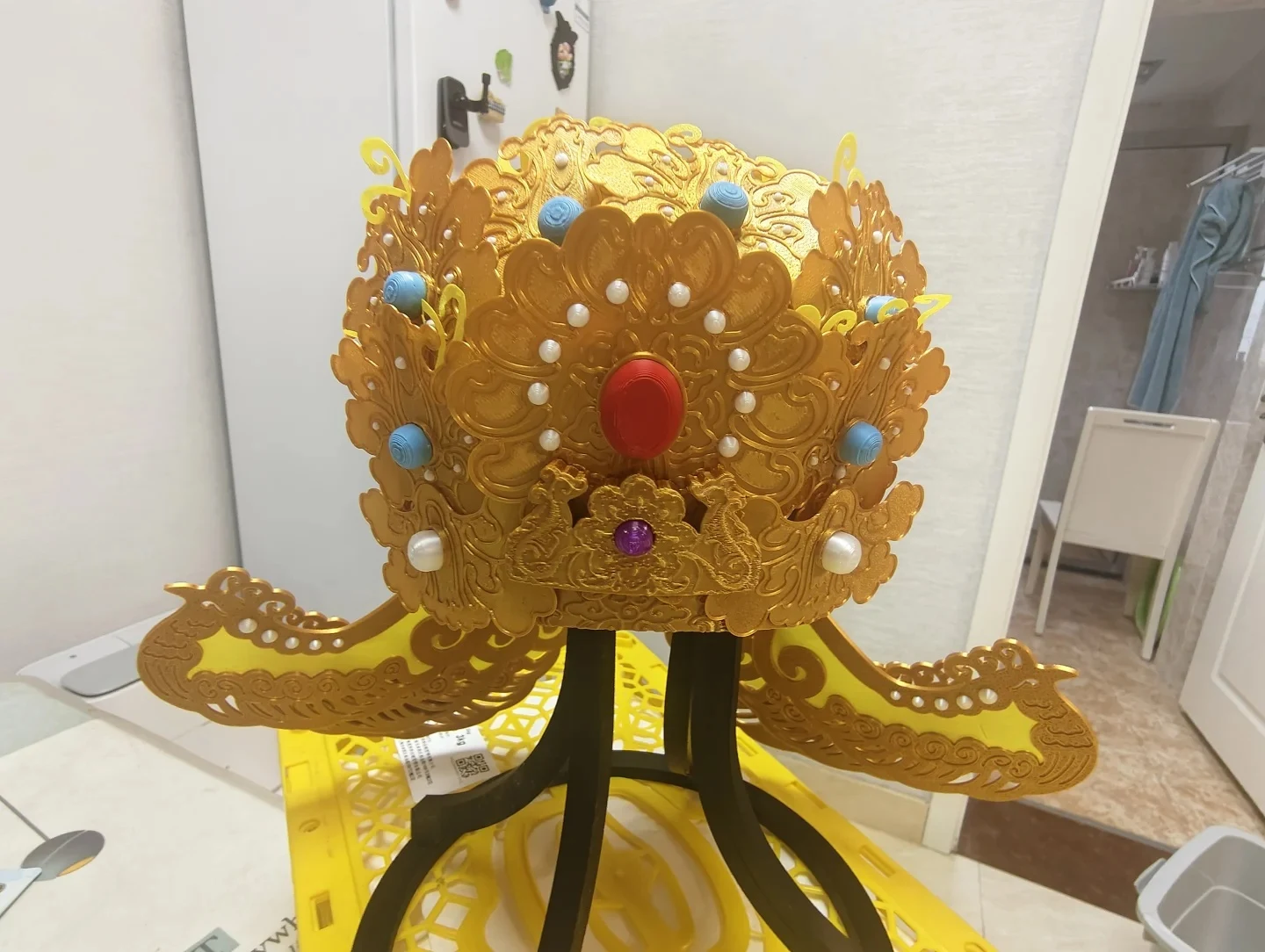
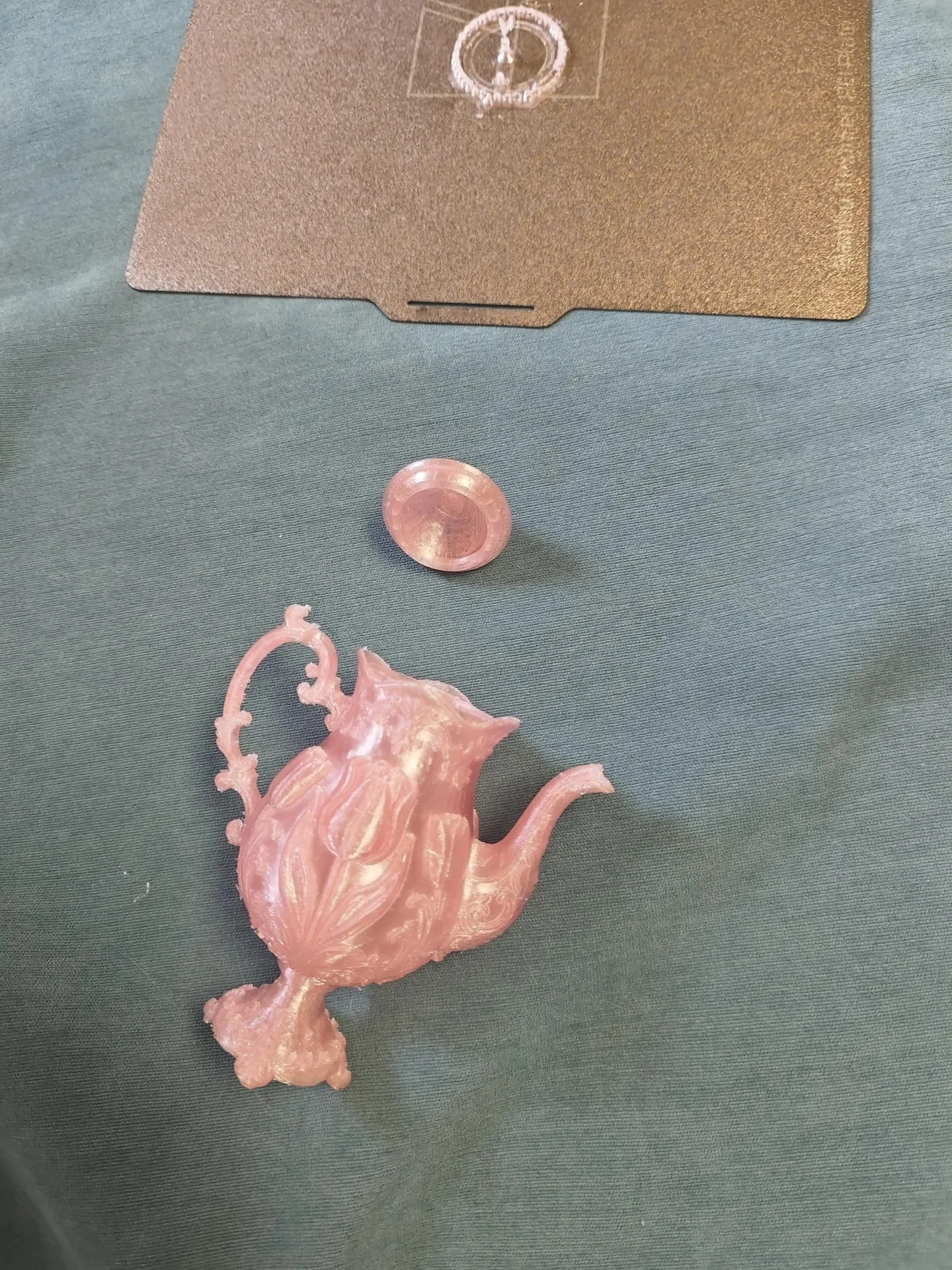
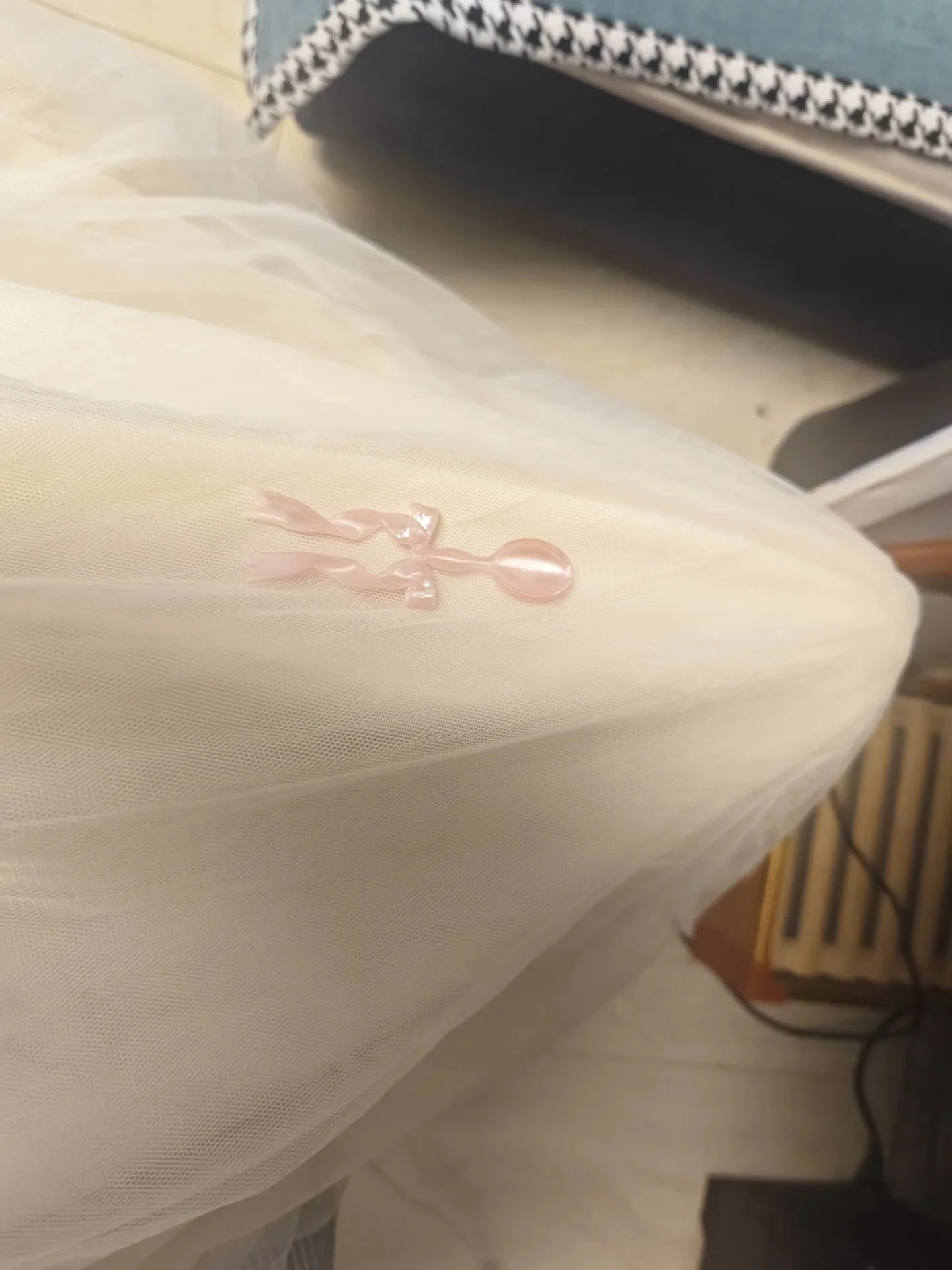
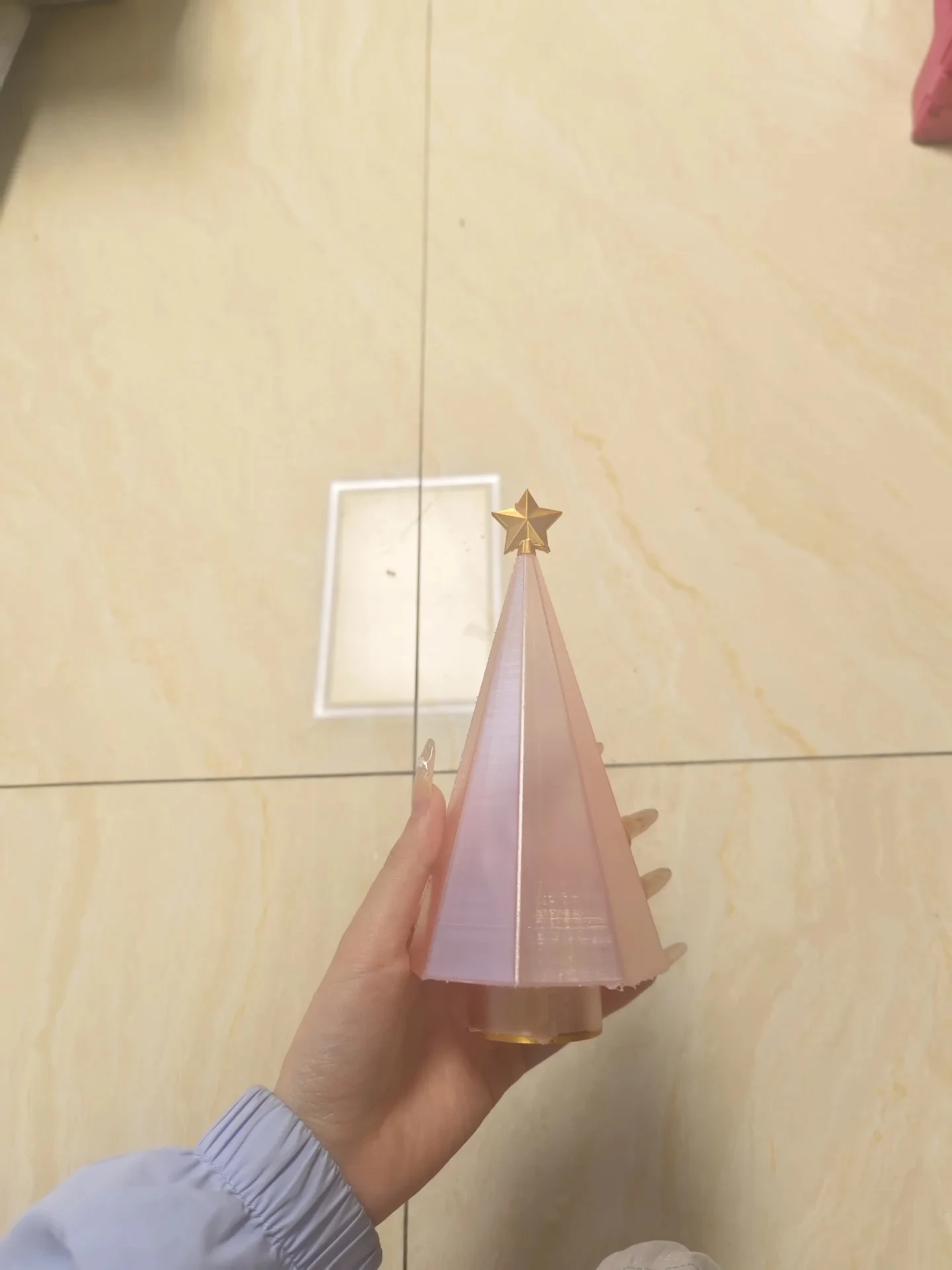
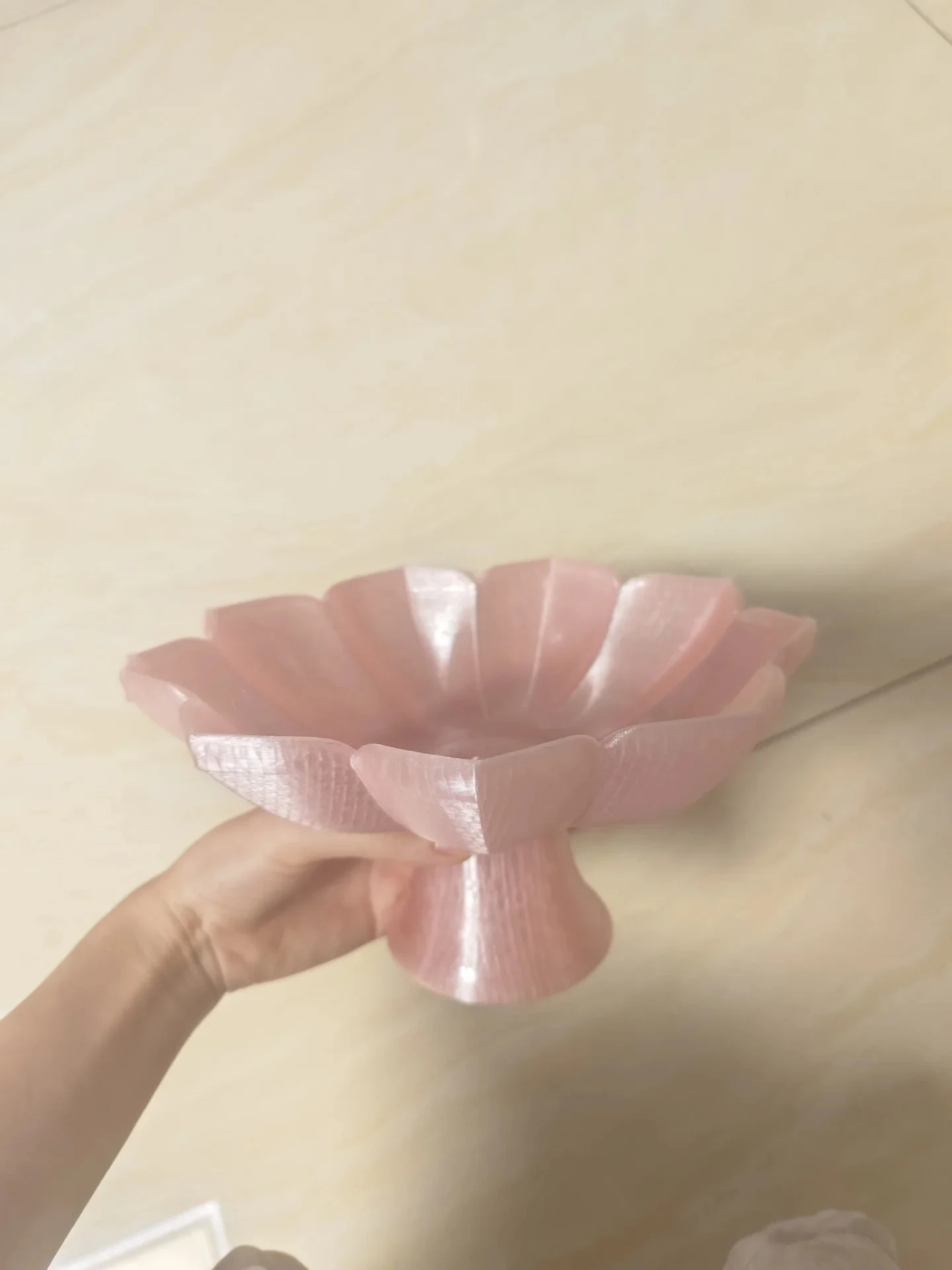
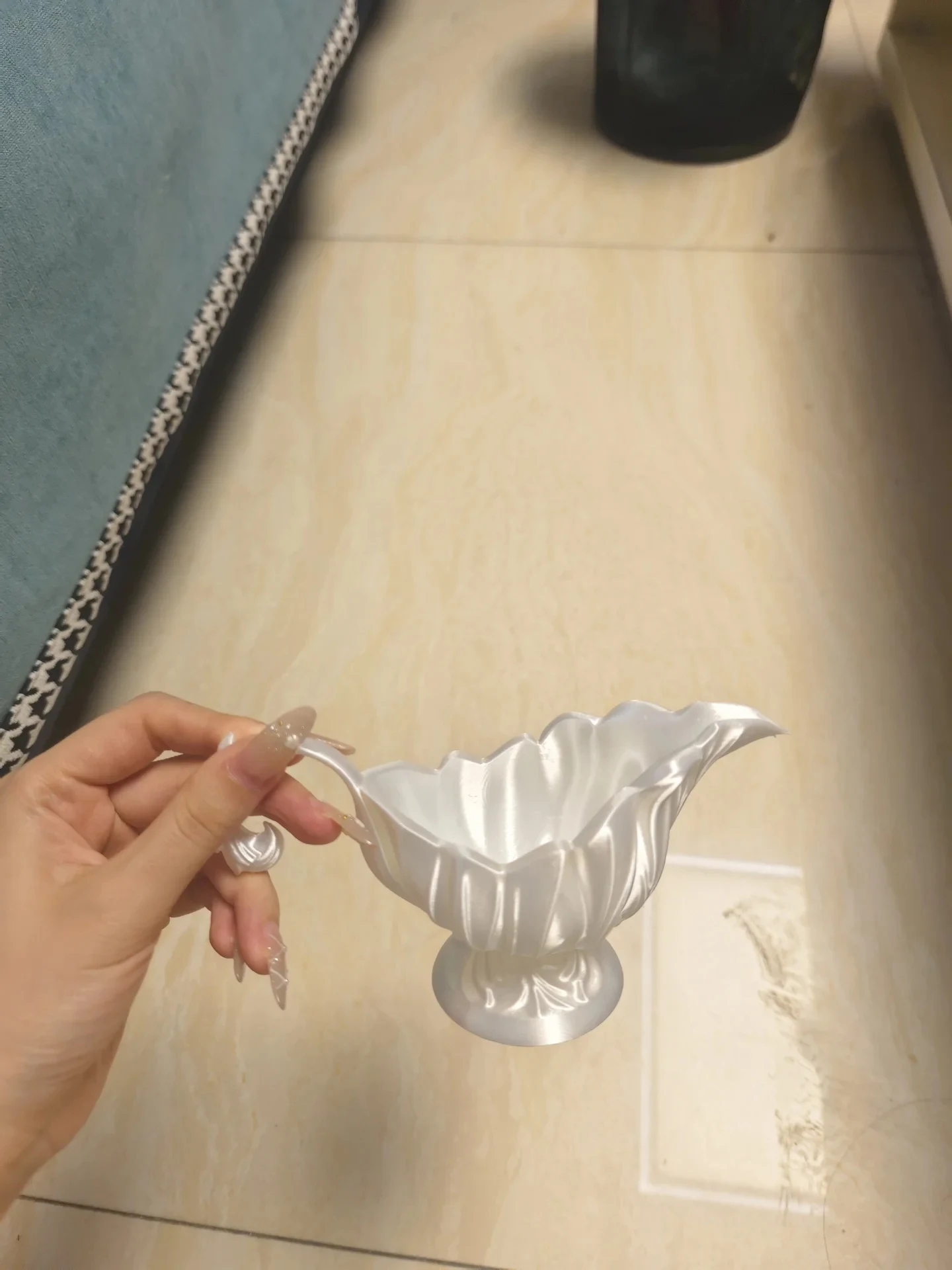
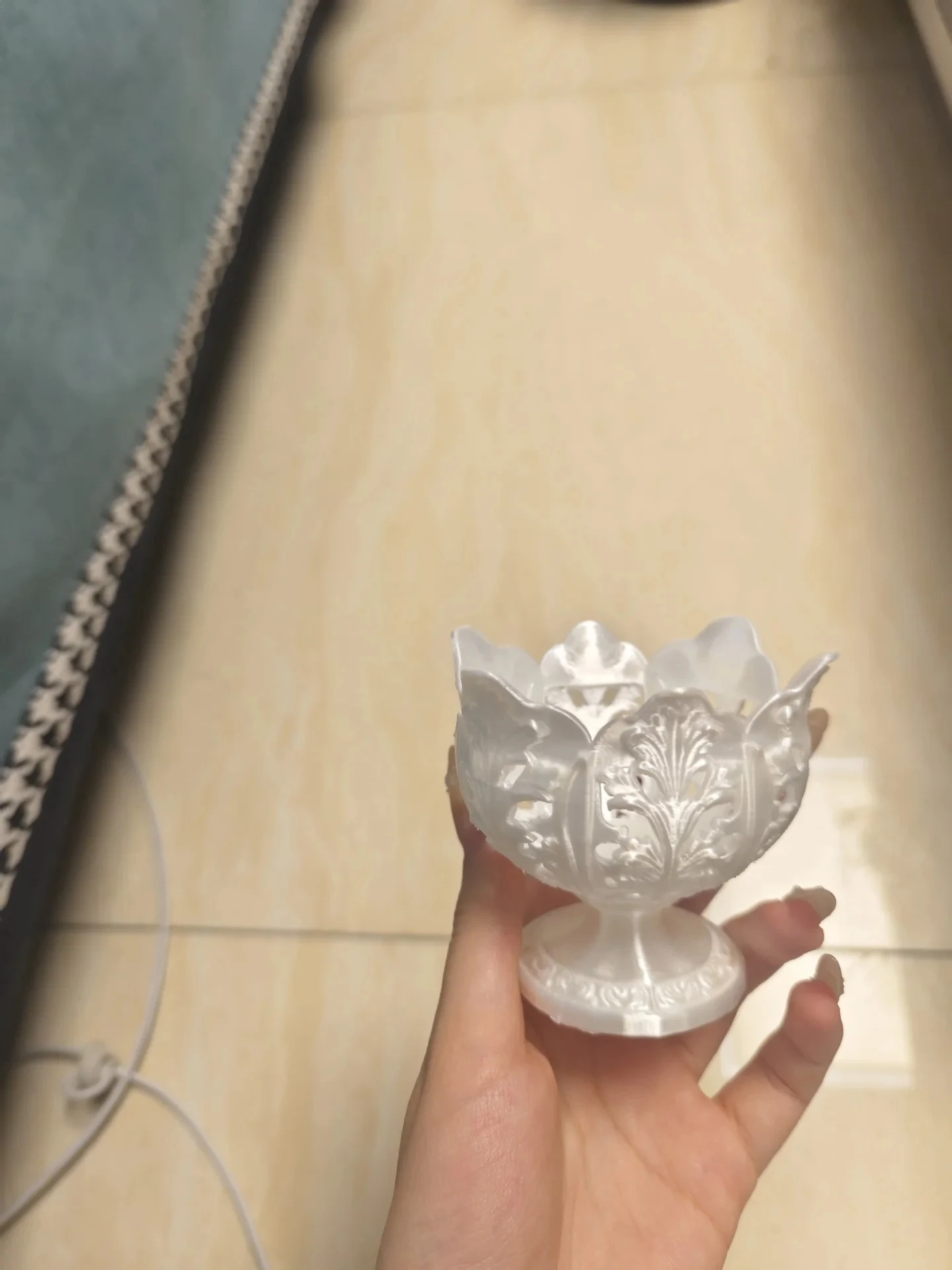
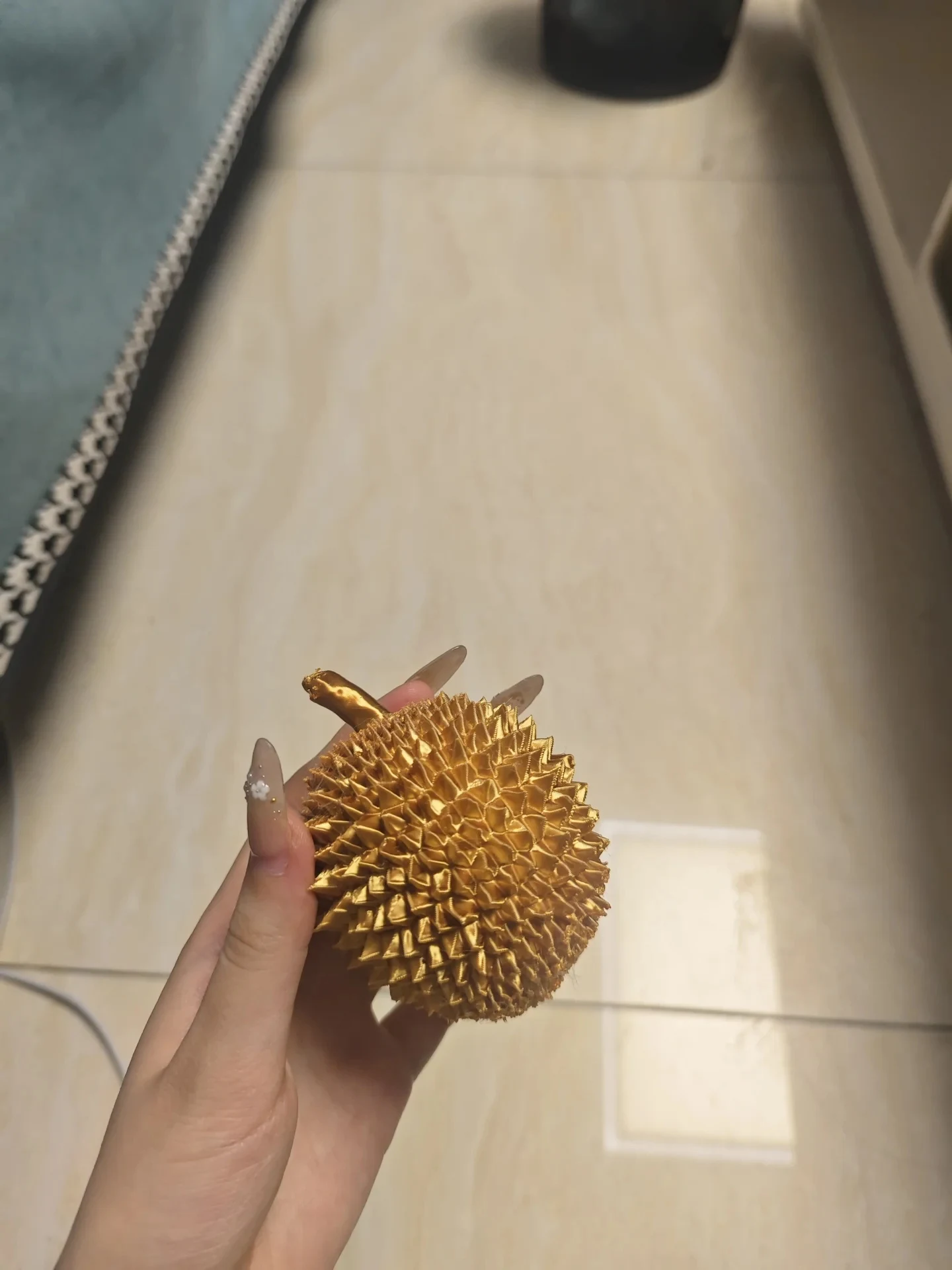
I’ve put together answers to the questions people ask most often.
Printer model and price:
My printer is the Bambu Lab A1, the basic version. I bought it for a little over 1,800 yuan and added the AMS because I hadn’t done my homework at the time.
I’ve since realised that many things can be printed in different colours without it.
The AMS is useful for multicolour printing or reducing how often you have to change filament spools. If you don’t buy it, you can save a few hundred yuan.
In general, you can get a printer setup sorted for 1,000–3,000 yuan.
Is a 3D printer fun?
Personally, I still think it’s a lot of fun. It feels like magic: you can make all kinds of interesting things appear.
But! The process can be very difficult.
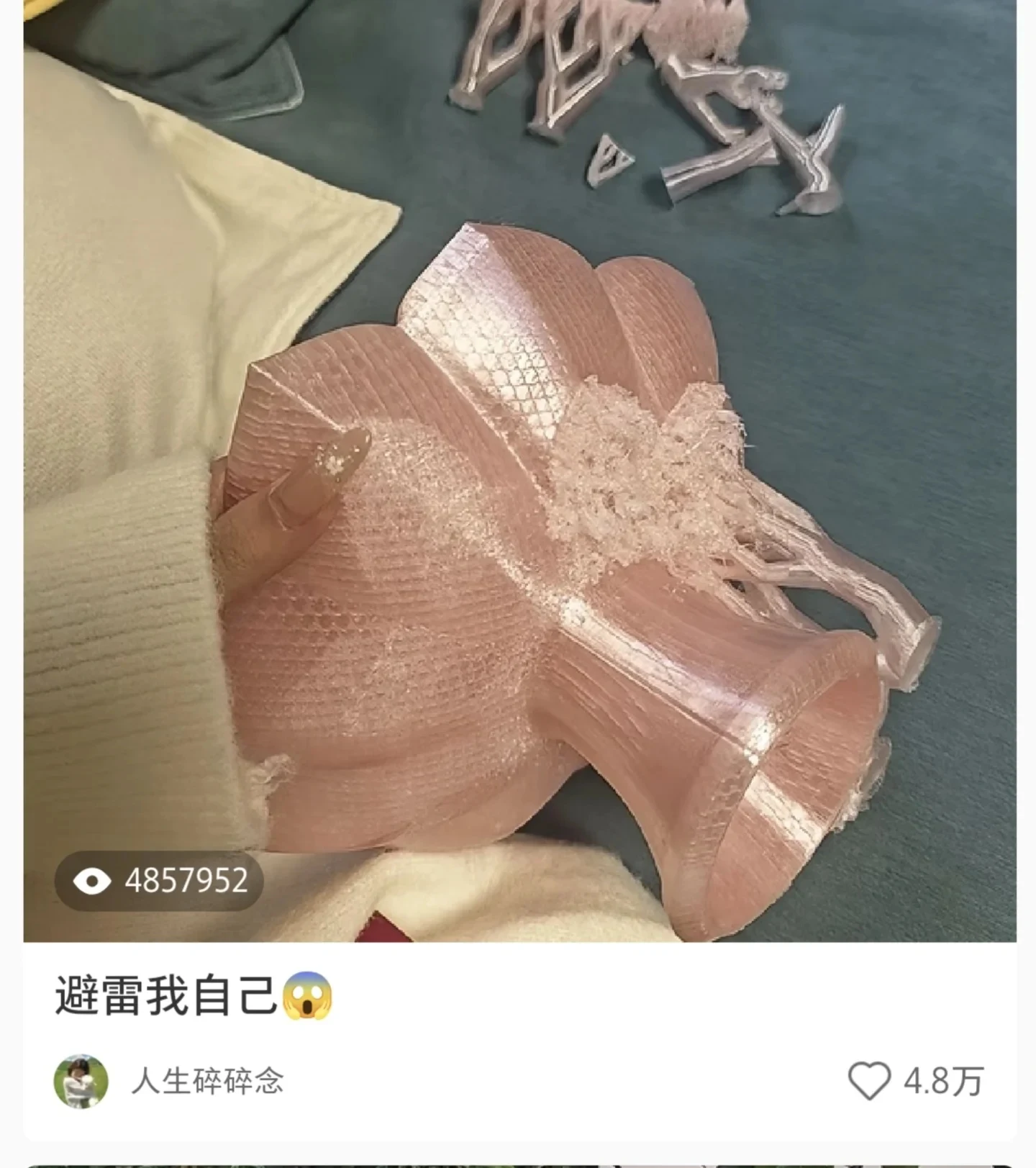
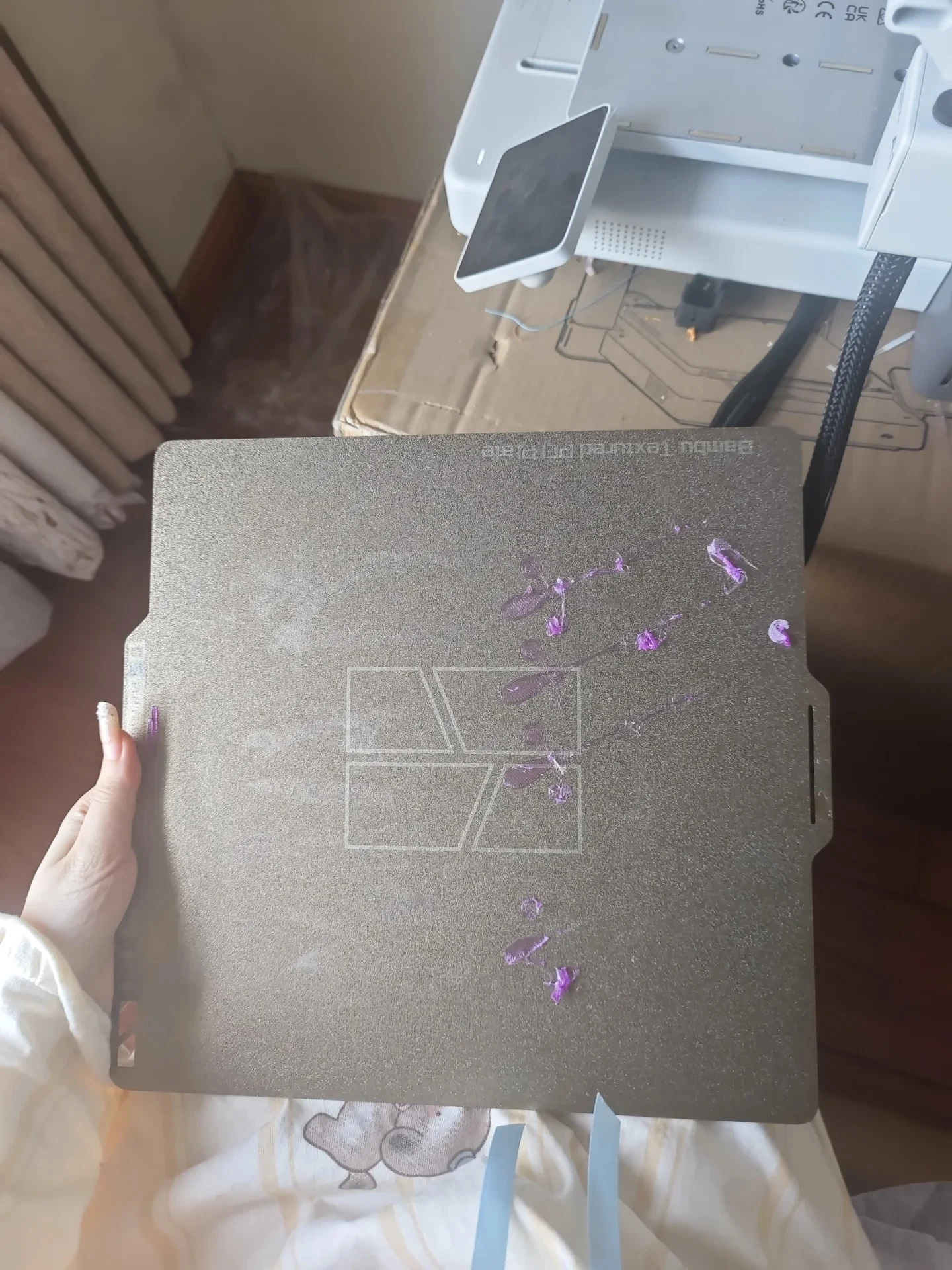
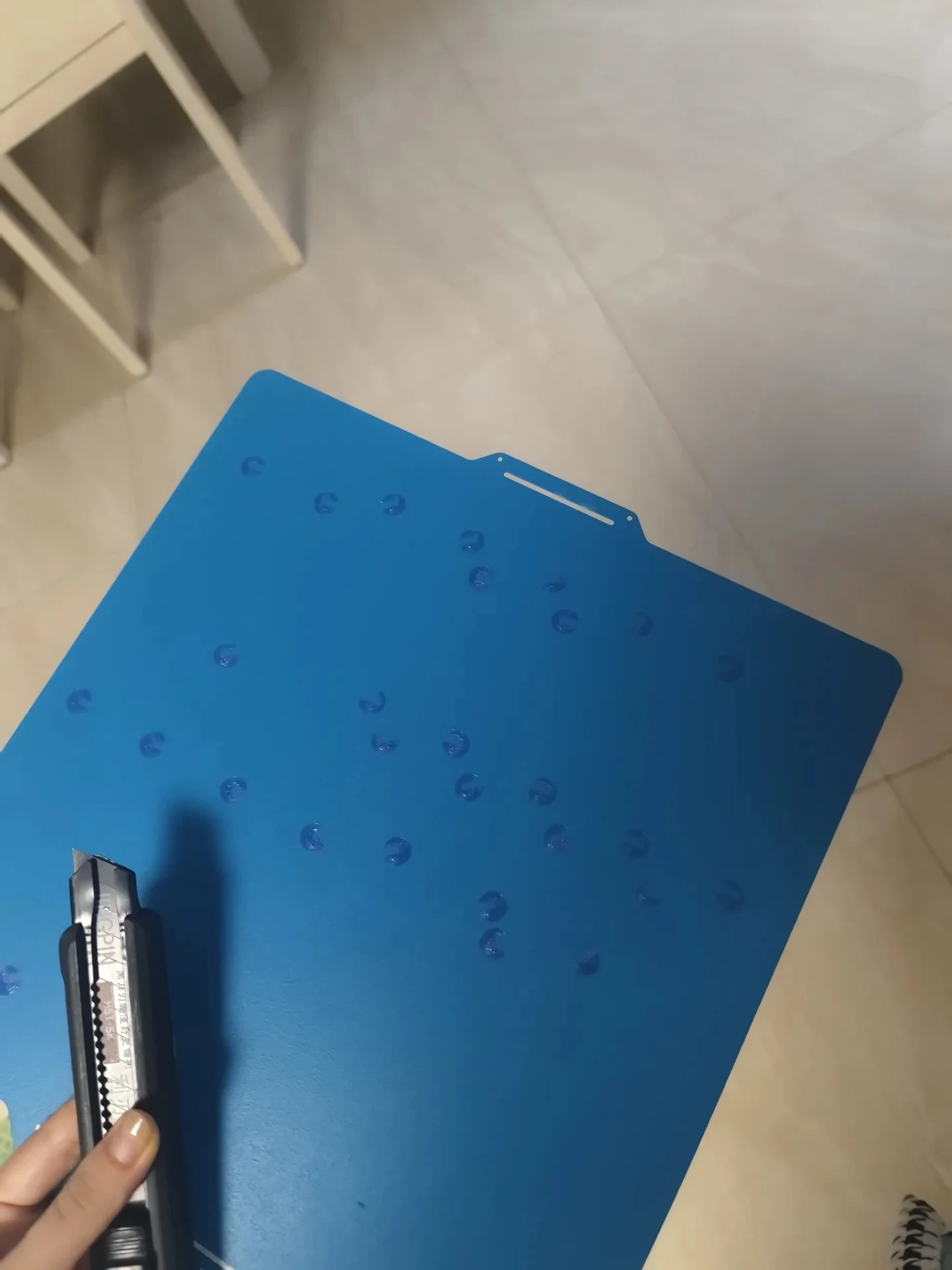
In my previous warning post, I said that prints easily turned into spaghetti, that parts fell off without glue, and that parts were difficult to remove when glue was used. People recommended a low-temperature build plate, but it was still very hard to remove them. I spent a long time prying them off and still had to use a knife.
Is filament expensive?
Filament generally costs 40–60 yuan per spool, and one spool lasts quite a while. The problem is that you can’t have a collecting habit. After buying lots of colours, I discovered transparent materials, silk materials and all kinds of other finishes, so I kept buying more and more.
Can you print things for other people?
I really don’t take orders. Lots of people have asked me, but I just enjoy doing this for myself, and I still haven’t figured everything out—I often ruin prints. There are many people in my comments who say they take orders, so be careful to check who you’re dealing with and watch out for scams.
In conclusion, using a 3D printer really is tiring but enjoyable.
Source: 人生碎碎念 · Xiaohongshu · 2026-06-10 · 避雷贴竟成了反向安利?!. Search this Chinese title in Xiaohongshu to find the original post.
Before You Buy
Models in your region
The owner identifies the printer as a basic Bambu Lab A1 with an added AMS, but does not give a full model number. The official US, UK and Hungary listings identify A1 and A1 Combo variants; the Combo includes AMS lite, so the regional rows below are corresponding products rather than proof of the owner’s exact package.
| Model in this review | Related regional model | What to know |
|---|---|---|
| Bambu Lab A1 | Bambu Lab A1 / A1 Combo (US) | The owner says an AMS was added separately, while the US listing distinguishes the standalone A1 from the A1 Combo with AMS lite. The owner does not provide a full model number or establish that her China-market package matches the US package. |
| Bambu Lab A1 | Bambu Lab A1 / A1 Combo (UK) | The UK store offers both the standalone A1 and the A1 Combo. The owner’s basic A1 and added AMS relate to the same A1 platform, but the source does not establish regional package contents, warranty or other differences for her China-purchased unit. |
| Bambu Lab A1 | Bambu Lab A1 / A1 Combo (Hungary (EU)) | The Hungary store offers the same A1 printer family. It offers the standalone A1 and an A1 Combo with AMS lite. The owner’s exact package remains uncertain, and final VAT and shipping vary by destination. |
- Model in this review
- Bambu Lab A1
- Related regional model
- Bambu Lab A1 / A1 Combo (US)
- What to know
- The owner says an AMS was added separately, while the US listing distinguishes the standalone A1 from the A1 Combo with AMS lite. The owner does not provide a full model number or establish that her China-market package matches the US package.
- Model in this review
- Bambu Lab A1
- Related regional model
- Bambu Lab A1 / A1 Combo (UK)
- What to know
- The UK store offers both the standalone A1 and the A1 Combo. The owner’s basic A1 and added AMS relate to the same A1 platform, but the source does not establish regional package contents, warranty or other differences for her China-purchased unit.
- Model in this review
- Bambu Lab A1
- Related regional model
- Bambu Lab A1 / A1 Combo (Hungary (EU))
- What to know
- The Hungary store offers the same A1 printer family. It offers the standalone A1 and an A1 Combo with AMS lite. The owner’s exact package remains uncertain, and final VAT and shipping vary by destination.
What the owner’s setup represents
The owner used a basic Bambu Lab A1 with an AMS added, rather than identifying the setup as a complete A1 Combo. In the US, UK and Hungary listings, Bambu Lab separates the A1 from the A1 Combo, with AMS lite included in the Combo. Buyers should therefore match the package contents and local support terms to the market where they purchase.
The listed A1 has a 256 × 256 × 256 mm build volume and automatic calibration in the US, UK and Hungary store listings. Those specifications describe the regional A1 products, not a measurement taken from the owner’s printer.
AMS lite and multicolour printing
The owner found that many objects can be printed in different colours without the AMS, while describing the accessory as useful for multicolour printing and for reducing manual spool changes. Official listings identify AMS lite as the A1 Combo accessory, and the FAQ says one AMS lite supports up to four colours. This makes the accessory a convenience and multicolour option, not a requirement for every colour-related project.
Bed adhesion and print removal
The owner’s main practical warning is about removing prints: she reported parts falling off without glue, becoming difficult to remove with glue, and remaining stubborn even after trying a low-temperature build plate. She eventually used a knife to pry parts loose. This is her experience with her materials and settings, not a controlled comparison of build plates.
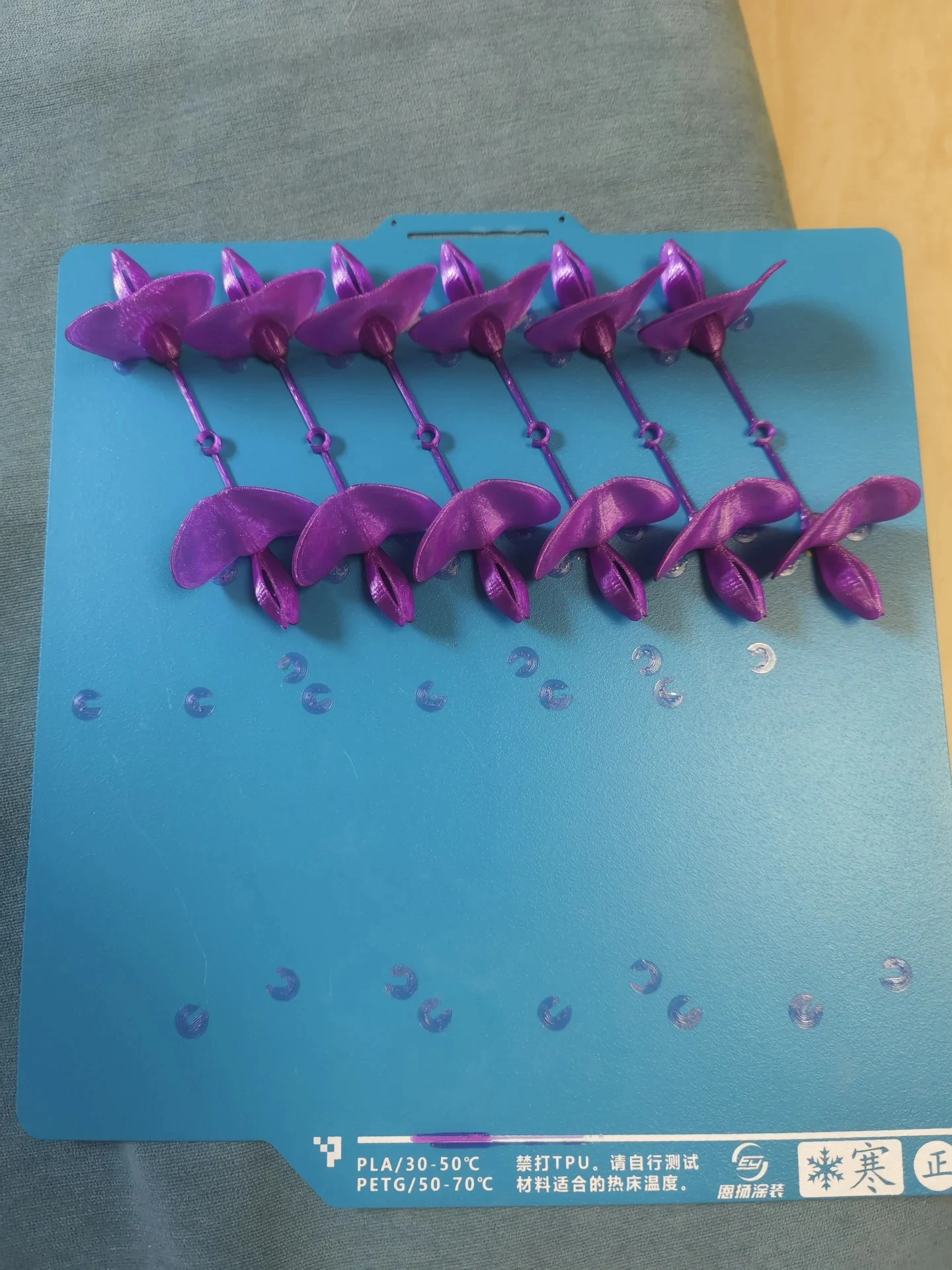
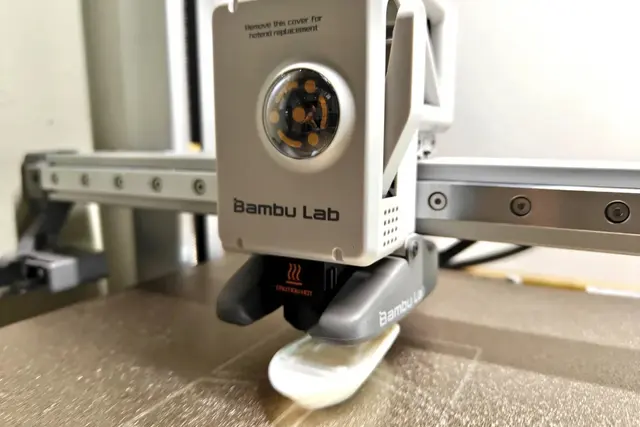
The first gallery image is a screenshot of the owner’s earlier warning post; the other images show her prints and equipment. The owner’s photographs show stuck residue and a knife being used beside a build plate, illustrating the removal difficulty she describes. The photographed cold build plate is labeled not to print TPU and to test a suitable heated-bed temperature for the material themselves, so readers should follow the plate’s material guidance rather than assume every filament is compatible.
Filament choices and ongoing planning
The owner says a spool generally lasts quite a while, but her filament use expanded after she began exploring many colours, transparent materials and silk finishes. Official regional listings identify PLA and PETG as ideal materials for the A1, while stating that ABS, ASA, PC, PA and fibre-reinforced filament are not recommended. Buyers should separate the owner’s enthusiasm for decorative finishes from the materials officially recommended for the regional A1.
Who this experience helps
The owner’s account suits someone who enjoys experimenting with decorative objects and accepts troubleshooting as part of the hobby. It is not evidence that the A1 is ready for paid print services: she says she still ruins prints and does not accept orders. Her warning about commenters offering print services is personal scam-avoidance advice, not an assessment of any named service.
For local buyers, the most important checks are the exact A1 package, whether AMS lite is included, the supported material guidance and the applicable local terms. The supplied official EU evidence is specifically for Hungary, while the US and UK evidence applies to those store regions; it should not be treated as universal evidence for every country.
Related Reading
Reviews & Guides · Creative Tools
Bambu Lab A1 Combo: Two Months of Easy Multicolor 3D Printing
I used the Bambu Lab A1 Combo for two months: four-color printing was easy to start, detailed, and convenient, though it wasted some filament.
Reviews & Guides · Creative Tools
Bambu Lab A1: First-Week Precision and Easy Setup
I used the Bambu Lab A1 for a week: unboxing to first power-on took under 15 minutes, a small standard-speed print took 2–3 hours, and Fast mode traded smoother surfaces for speed.
Reviews & Guides · Creative Tools
Bambu Lab A1: One Week of Easy Setup, a Good Benchy Print and Fan Noise
After about 30 minutes of calibration, I could print a good Benchy on the Bambu Lab A1, but taller parts showed layer lines and the cooling fan could get loud.