
Harvey water softener: London salt-refill notes for HarveyArc buyers
I installed a Harvey water softener in my London home: showers and handwashing feel slippery, limescale disappeared, and salt needs monthly refills.
I always felt that London’s water quality was poor, especially after comparing it with Scotland, where tap water tastes sweet. After a friend recommended this water softener, I had one installed at home. The water felt noticeably better: showers and handwashing felt slippery, and the limescale disappeared.
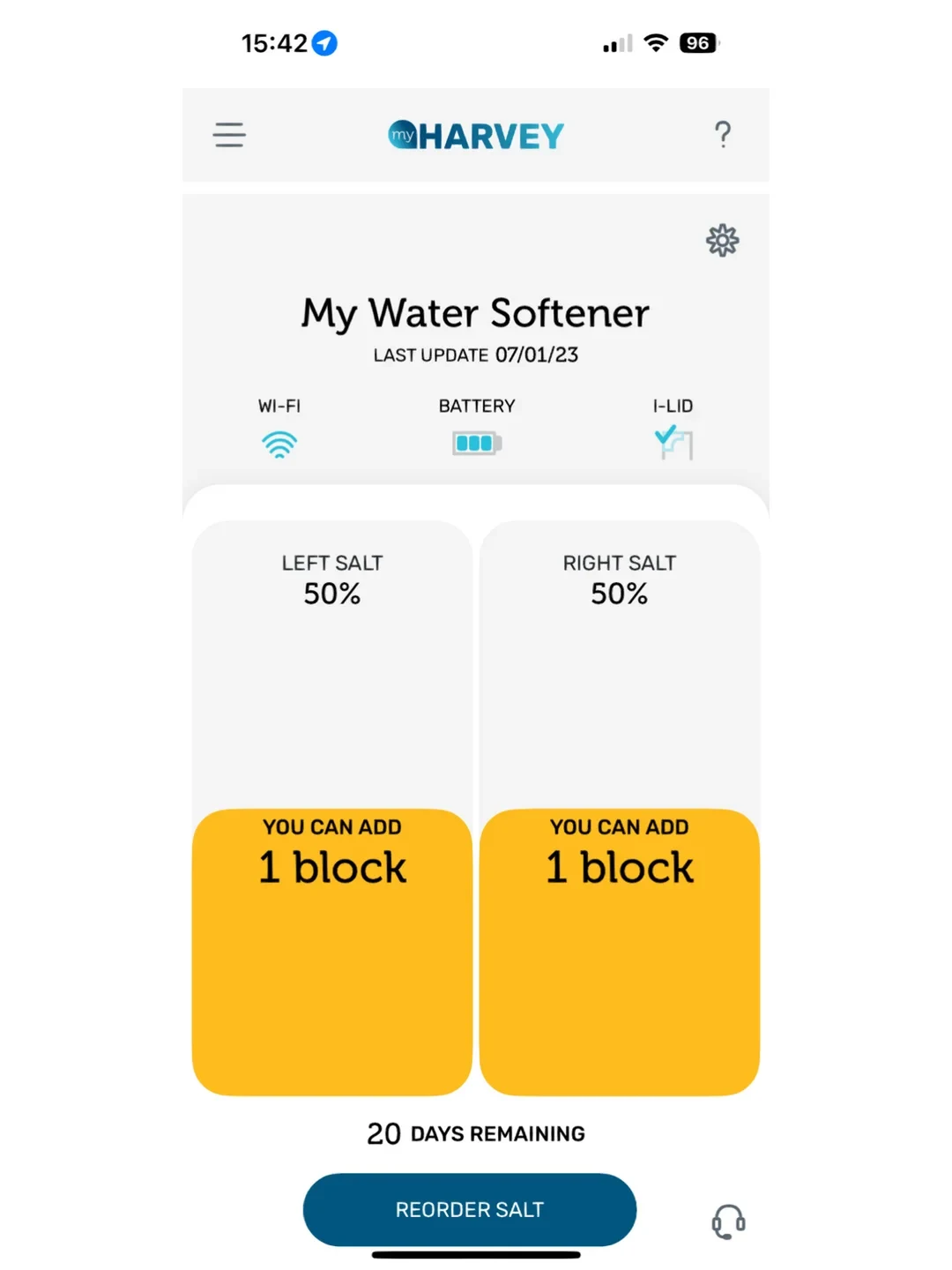
The water softener is about the size of a computer case and is installed at the main water inlet. Installation was free, and the softener cost around £2,000, with payment available over six months. The salt needs replacing about once a month, or more often if you use a lot of water. If you are interested, message me privately—I can make a referral that includes 10 bags of salt.
Source: Fyuneru · Xiaohongshu · 2023-01-10 · 英国软水器. Search this Chinese title in Xiaohongshu to find the original post.
Before You Buy
Models in your region
The owner identifies only a Harvey water softener, not a complete model number, so this review cannot confirm that the installed unit is the UK HarveyArc. Harvey’s UK reference model is a non-electric twin-cylinder softener with Wi-Fi i-Lid salt monitoring; that specification should not be attributed to the owner’s unit without model confirmation.
| Model in this review | Related regional model | What to know |
|---|---|---|
| Harvey water softener (model unspecified) | HarveyArc (UK) | The owner’s installed Harvey unit is not identified by a full model number. HarveyArc is the supported UK comparison model, described by Harvey as a non-electric twin-cylinder softener with Wi-Fi i-Lid salt monitoring, but the source does not establish that it is the same unit. |
- Model in this review
- Harvey water softener (model unspecified)
- Related regional model
- HarveyArc (UK)
- What to know
- The owner’s installed Harvey unit is not identified by a full model number. HarveyArc is the supported UK comparison model, described by Harvey as a non-electric twin-cylinder softener with Wi-Fi i-Lid salt monitoring, but the source does not establish that it is the same unit.
What changed in the owner’s home
The owner reports that showers and handwashing felt slippery after installation and that limescale disappeared. These are personal observations from the owner’s home, not a controlled measurement of water hardness or a result that can be generalized to every London installation.
The owner’s comparison is also sensory: London water seemed poor to them after experiencing Scottish tap water, which they described as tasting sweet. The account does not identify the property’s incoming hardness level or provide a laboratory analysis, so the practical size of the water-quality change remains unknown.
Space, installation and salt planning
The reported unit is roughly the size of a computer case and sits at the main water inlet. That gives prospective buyers two immediate checks: confirm that the installation point has enough room and ask the installer which inlet and plumbing arrangements are required for the specific model.
The owner says installation was free and that the softener cost around £2,000 in their source-market purchase, with payment available over six months. They also replace salt about monthly, with heavier household water use potentially shortening that interval; the account does not state the salt block size or an annual salt quantity.
The owner disclosed a referral offer of 10 bags of salt. This is a benefit connected to their referral, not evidence of the product’s general running cost or of the installation terms available to other buyers.
What the UK HarveyArc evidence adds
HarveyArc is the documented UK comparison model. Harvey describes it as UK-made, non-electric and twin-cylinder, with Wi-Fi i-Lid salt monitoring. Because the owner’s full model is unknown, readers should verify the exact model before assuming those features apply to the installed softener.
For HarveyArc, Harvey explains that salt regenerates the resin and that the brine does not enter the household supply, although ion exchange adds sodium. Harvey excludes softened water from infant feeds and medically prescribed low- or zero-sodium diets, and notes that a separate drinking-water tap can be arranged. Buyers should confirm the drinking-water setup for their own installation rather than treating a softener as a purifier or reverse-osmosis system.
Related Reading
Reviews & Guides · Appliances
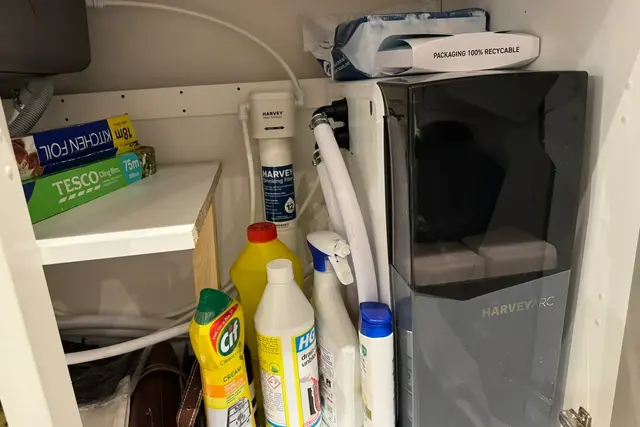
Harvey water softener: first-week rinsing and app notes for HarveyArc buyers
I installed a Harvey whole-house water softener and, after one week, found foam seemed harder to rinse while the app only reminded me about salt.
Reviews & Guides · Appliances
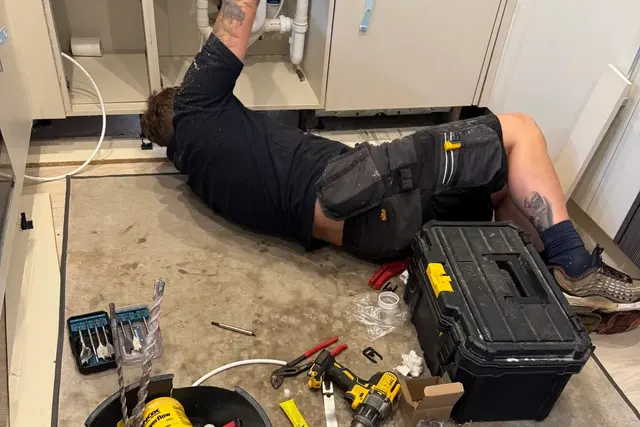
HarveyArc Water Softener Installation: An Early UK Owner Report
I arranged a HarveyArc installation after a home water-hardness reading of 320, with a separate filter offer and recurring salt and cartridge supplies.
Reviews & Guides · Appliances
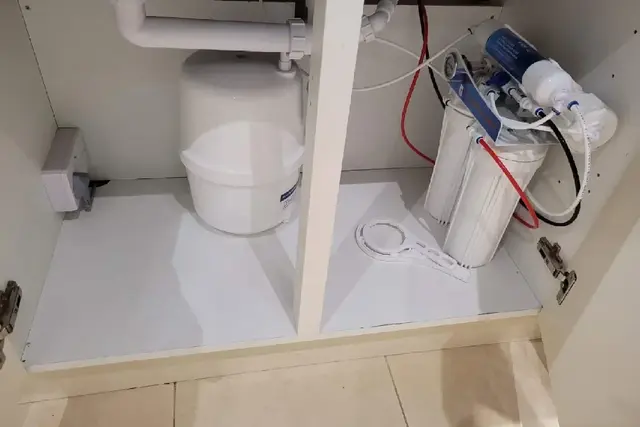
Harvey water softener: scale and drinking-filter notes for HarveyArc buyers
I installed a Harvey water softener in the UK and found less hard-water residue on taps, the shower screen and kitchen surfaces; I also added a separate filter.