
Reviews & Guides · Computing & Networking
TP-Link TL-7DR7290: smoother door-camera video, but noticeable heat
Reviewed: TP-Link TL-7DR7290Regional reference: TP-Link TL-7DR7290 (Mainland China); TP-Link Archer BE550 (US); TP-Link Archer BE550 (UK)
I replaced my Xiaomi mesh setup with a TP-Link TL-7DR7290 system. My door camera stopped buffering, but the main router felt very hot.
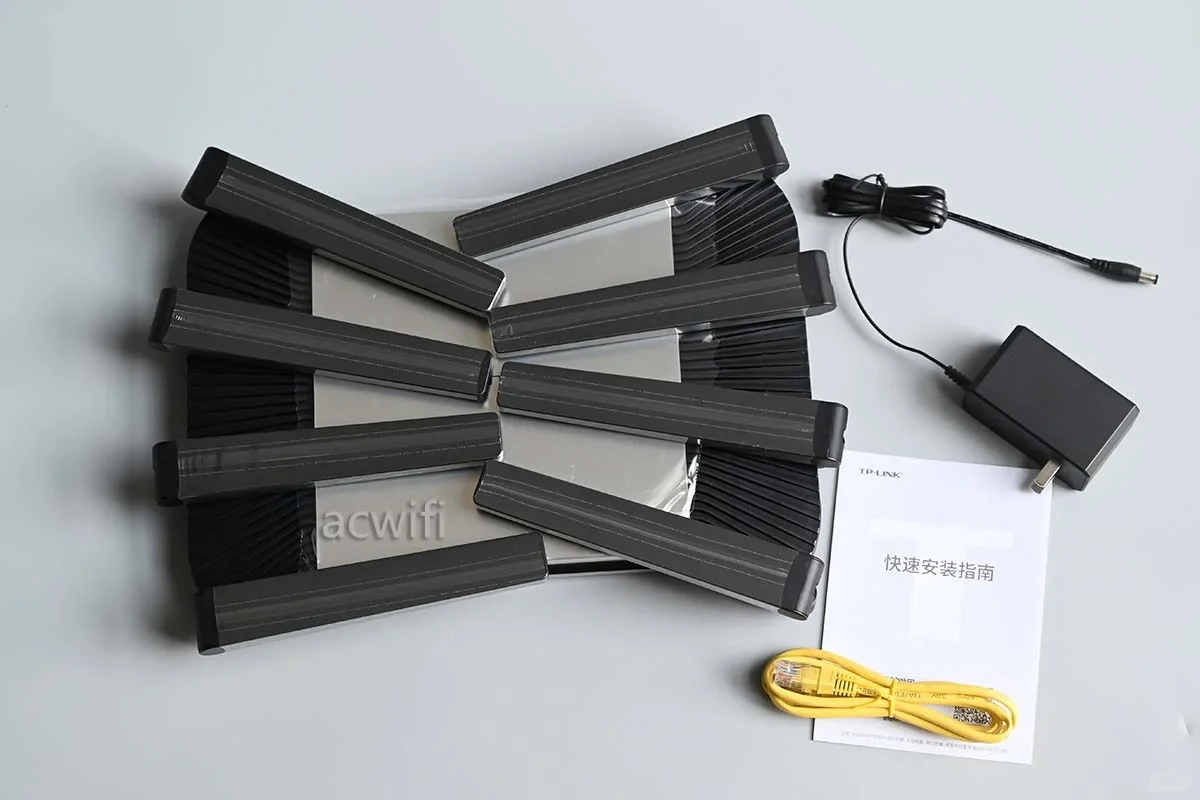
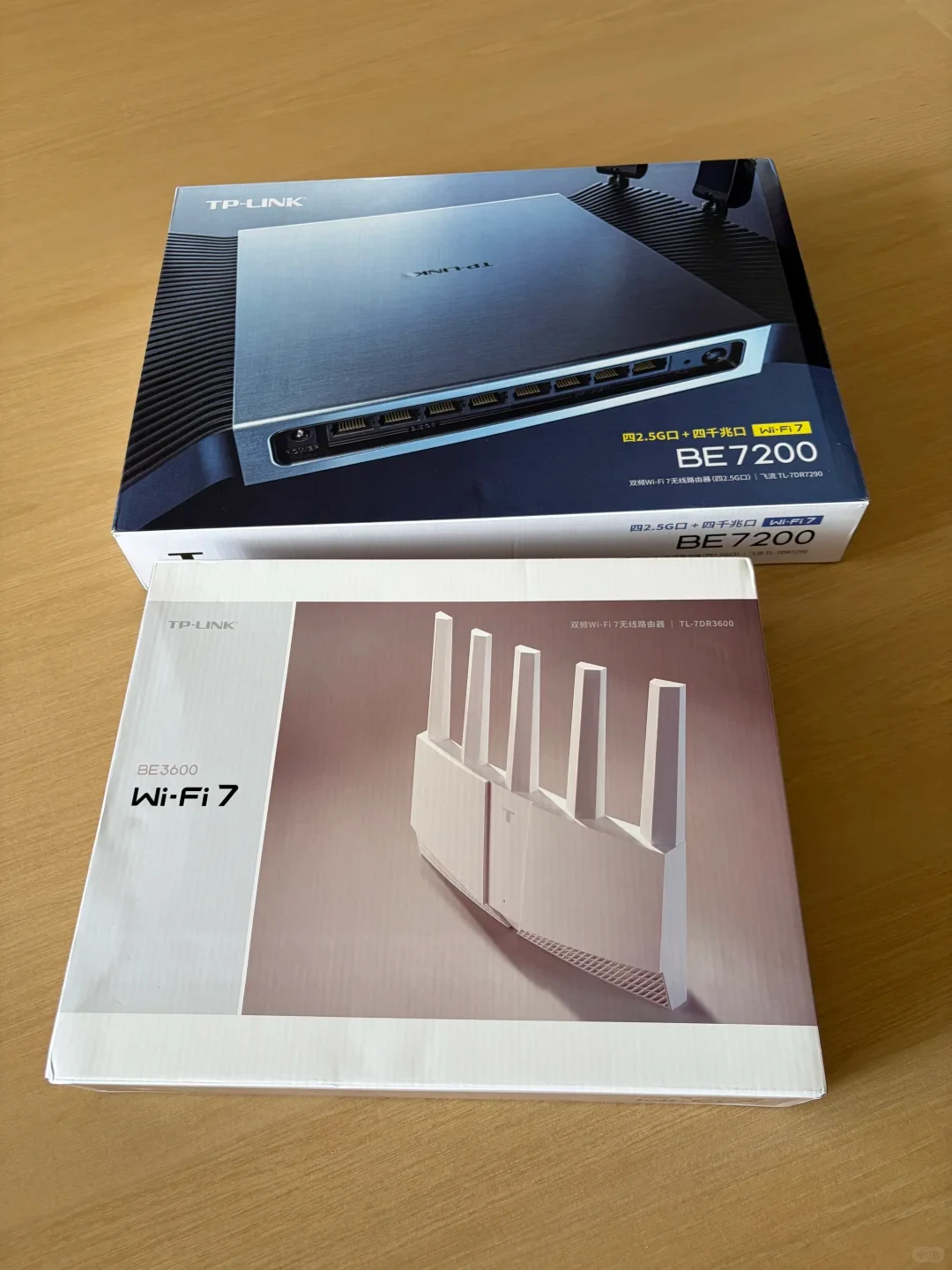
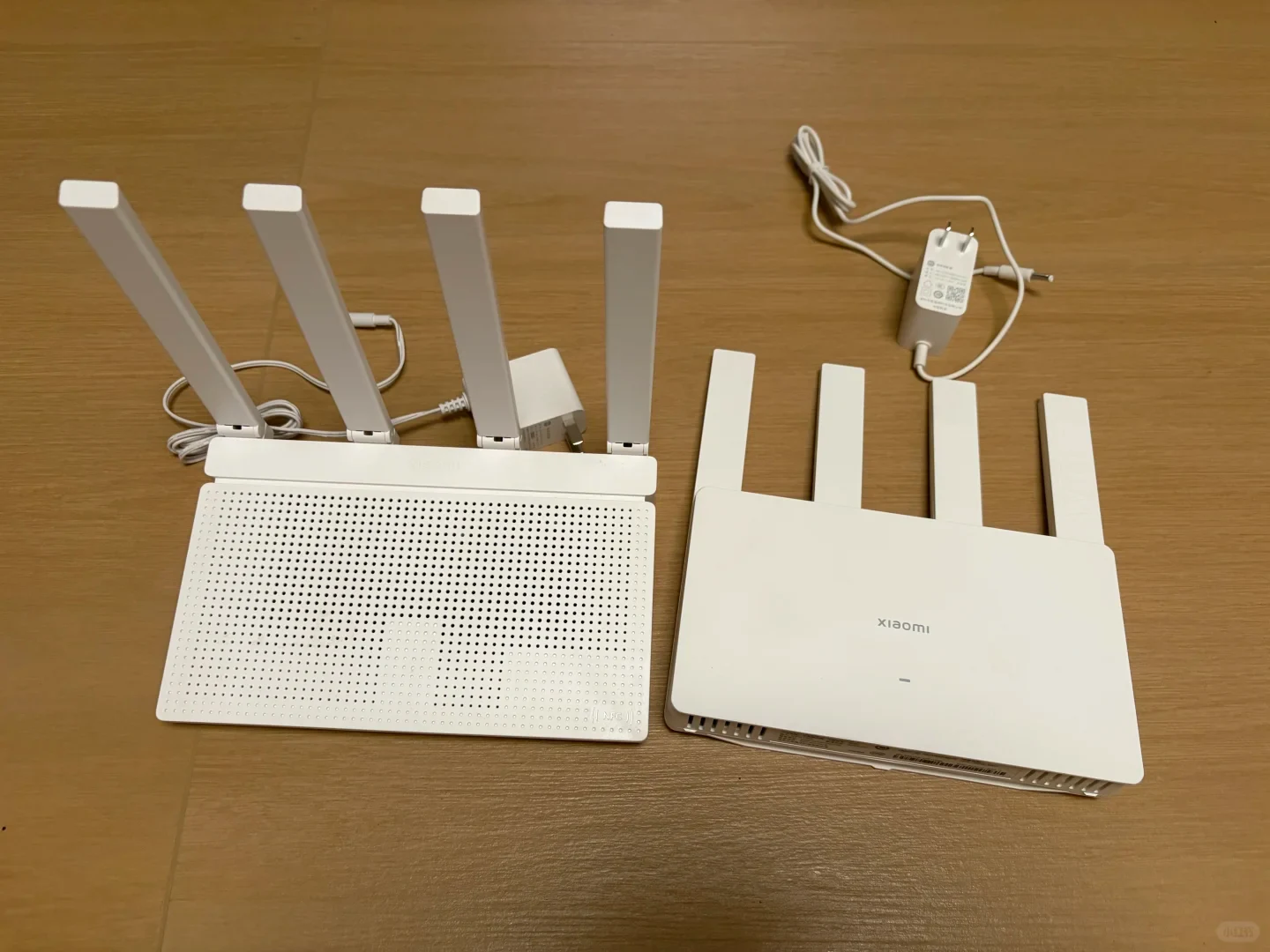
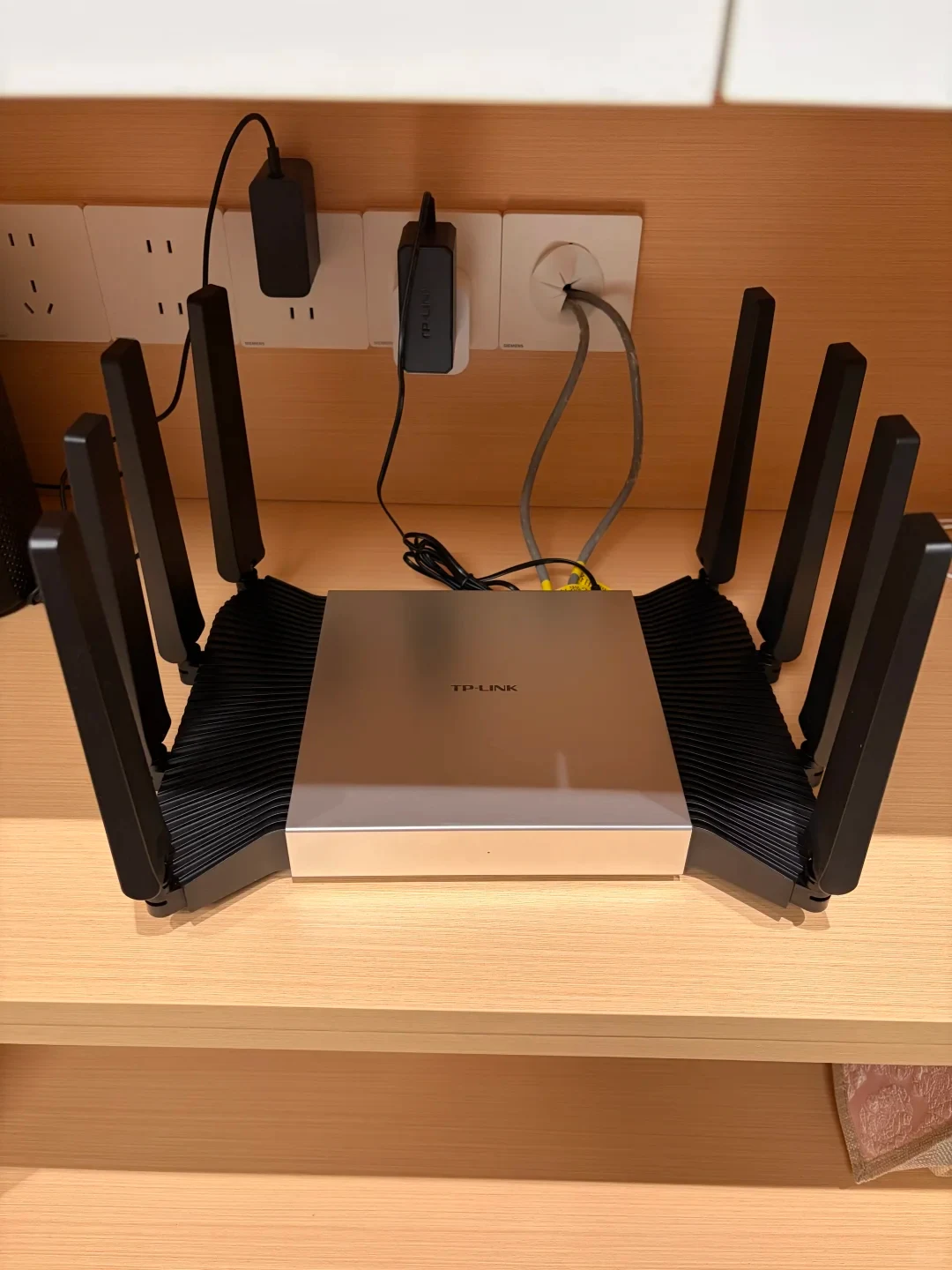
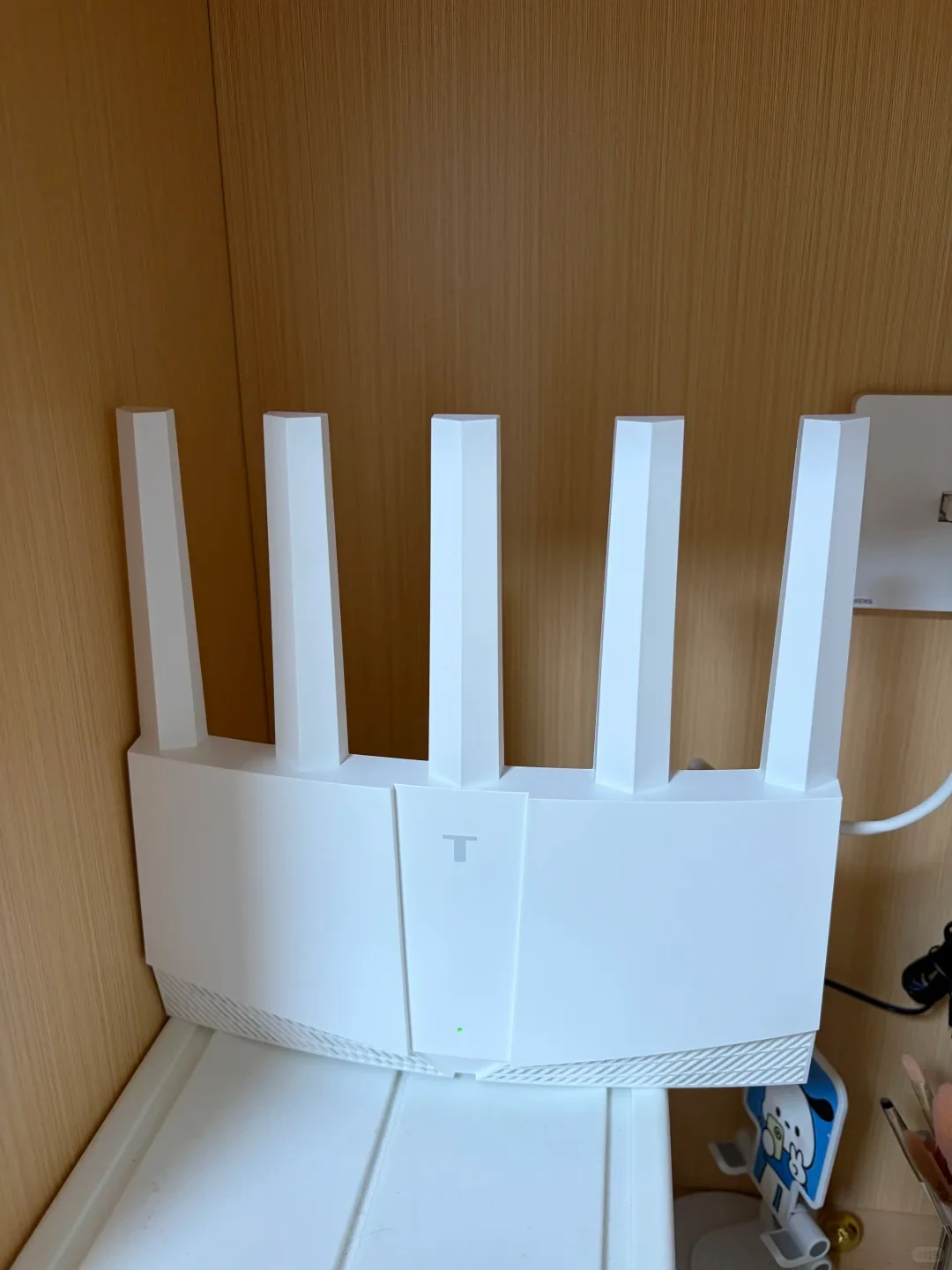
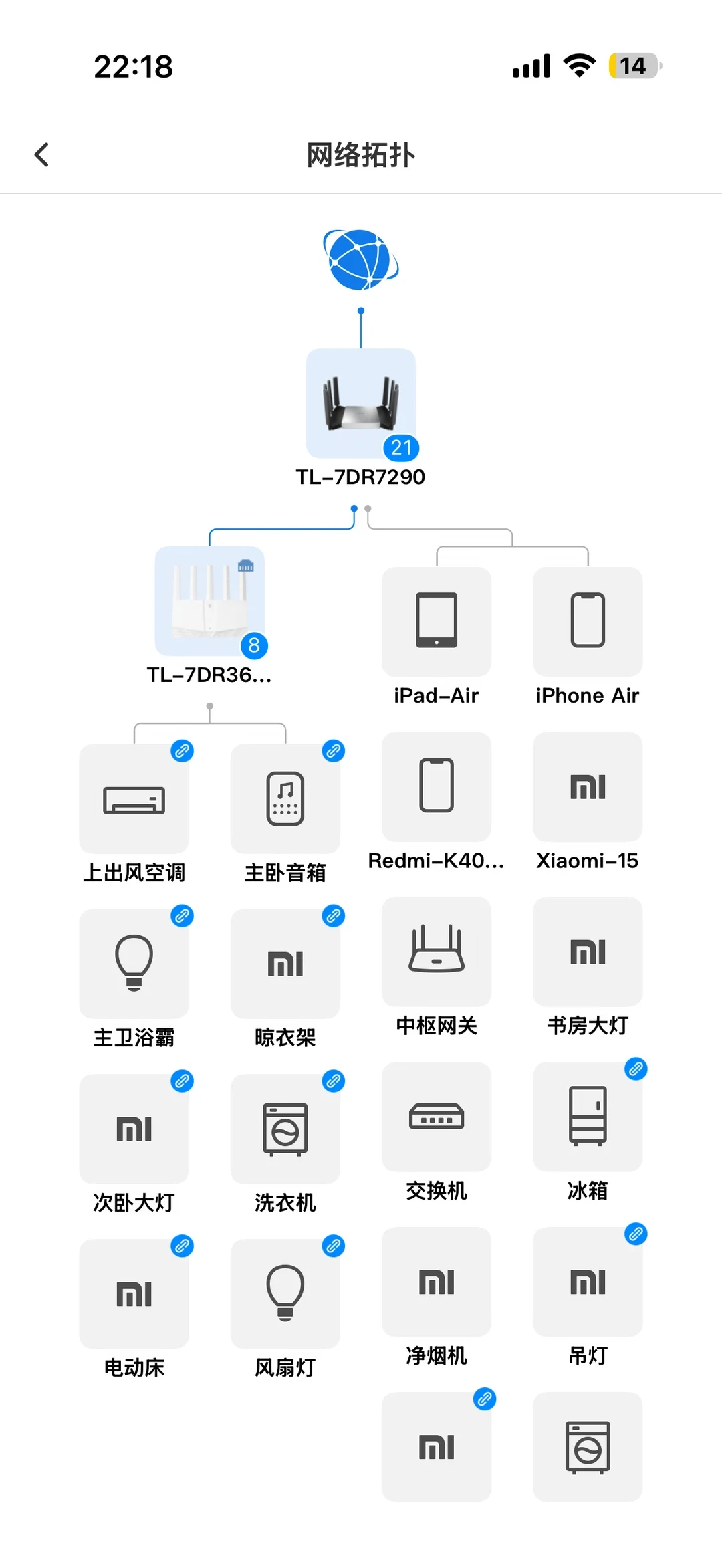

My previous setup was a Xiaomi bundle, with a BE3600 as the main router and an AX3000T as the child router. It was inexpensive, but the signal was poor and the connection dropped from time to time, so I bought a TP-Link bundle a few days ago.
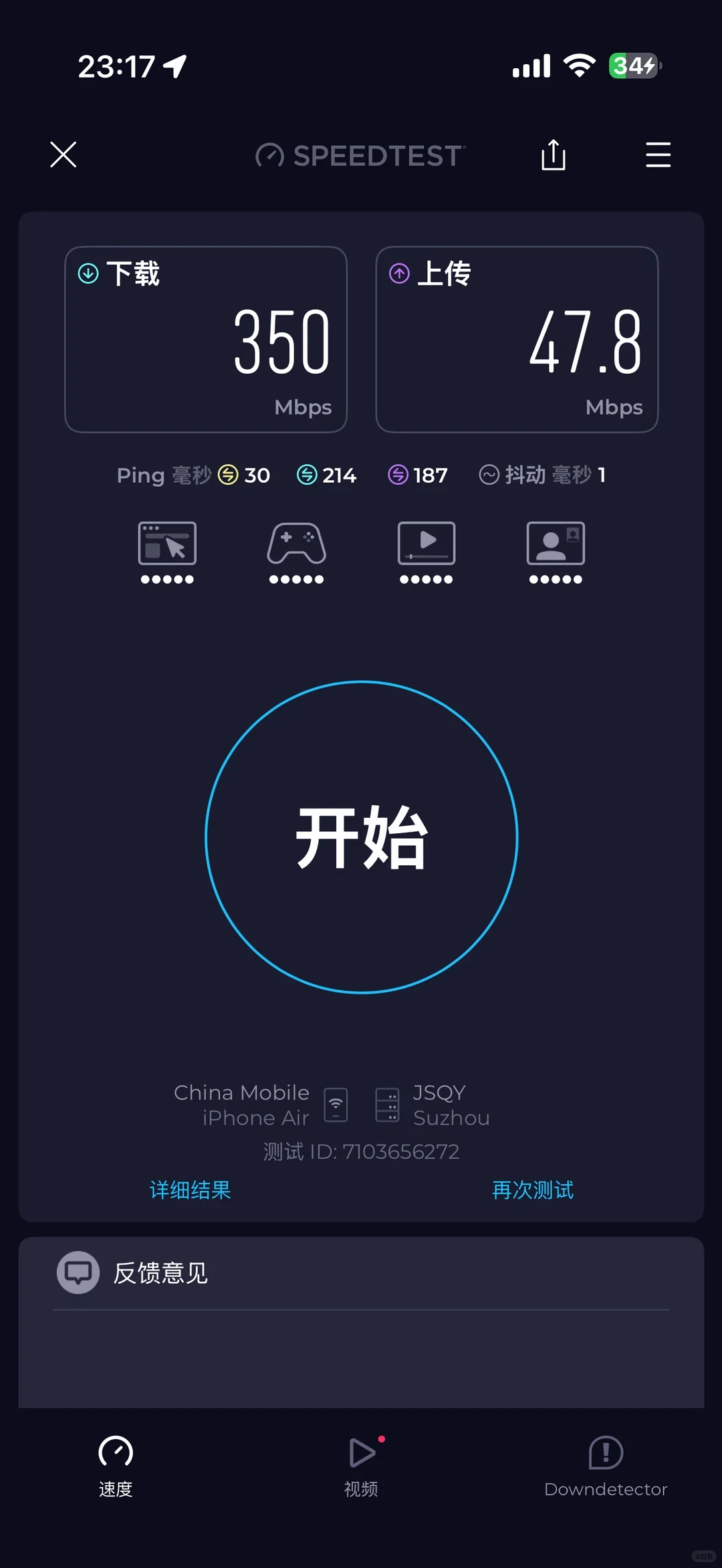
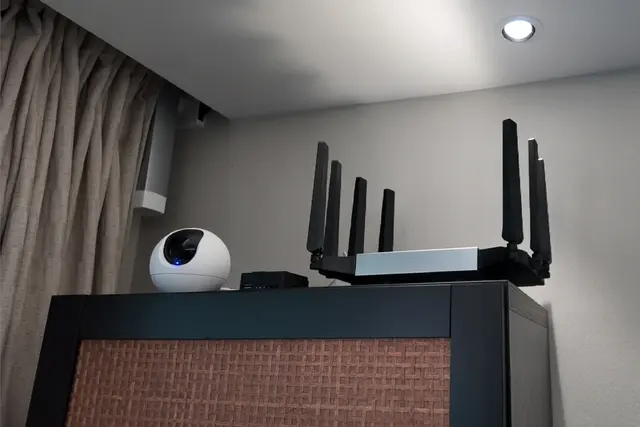
The main router, the TP-Link Flying Stream 7DR7290, is enormous, and its signal is excellent. The door camera outside finally stopped buffering and taking ages to load. But the router also gets extremely hot—I can feel a wave of heat when I get close. A power estimate with dozens of connected devices was around ten-something watts. Speed testing under the child router reached 350 Mbps on my 300 Mbps broadband connection, which is a very good result.
I’ll keep watching how the two routers perform over the next few days before deciding whether to keep using them.
Has anyone else bought this model, or the ZTE BE7200 Pro, and would like to share their experience? If I switch, I’m also considering a ZTE model.
Source: 黄空瓶 · Xiaohongshu · 2026-06-06 · 换一套路由组合. Search this Chinese title in Xiaohongshu to find the original post.
Before You Buy
Models in your region
The owner’s main router is identified as the mainland-China TP-Link TL-7DR7290; the child router’s exact model is not given. The US and UK Archer BE550 are related alternatives, not regional relabels of the tested router, so the owner’s experience applies to the TL-7DR7290 setup only.
| Model in this review | Related regional model | What to know |
|---|---|---|
| TP-Link TL-7DR7290 | TP-Link TL-7DR7290 (Mainland China) | This is the mainland-China model used as the owner’s main router. It is a dual-band BE7200 router with four 2.5GbE and four Gigabit adaptive WAN/LAN ports. The reported 350 Mbps result was measured under the unspecified child router, not as a standalone TL-7DR7290 benchmark. |
| TP-Link TL-7DR7290 | TP-Link Archer BE550 (US) | This is a separate US-market option, not a regional relabel of the TL-7DR7290. It is tri-band BE9300, adds 6 GHz, and has five 2.5GbE ports. |
| TP-Link TL-7DR7290 | TP-Link Archer BE550 (UK) | This is a separate UK-market option, not a regional relabel of the TL-7DR7290. It is tri-band BE9300, adds 6 GHz, and has five 2.5GbE ports; check the country and hardware revision when comparing versions. |
- Model in this review
- TP-Link TL-7DR7290
- Related regional model
- TP-Link TL-7DR7290 (Mainland China)
- What to know
- This is the mainland-China model used as the owner’s main router. It is a dual-band BE7200 router with four 2.5GbE and four Gigabit adaptive WAN/LAN ports. The reported 350 Mbps result was measured under the unspecified child router, not as a standalone TL-7DR7290 benchmark.
- Model in this review
- TP-Link TL-7DR7290
- Related regional model
- TP-Link Archer BE550 (US)
- What to know
- This is a separate US-market option, not a regional relabel of the TL-7DR7290. It is tri-band BE9300, adds 6 GHz, and has five 2.5GbE ports.
- Model in this review
- TP-Link TL-7DR7290
- Related regional model
- TP-Link Archer BE550 (UK)
- What to know
- This is a separate UK-market option, not a regional relabel of the TL-7DR7290. It is tri-band BE9300, adds 6 GHz, and has five 2.5GbE ports; check the country and hardware revision when comparing versions.
Check the regional model before buying
The TL-7DR7290 is a mainland-China dual-band BE7200 model with four 2.5GbE and four Gigabit adaptive WAN/LAN ports. TP-Link warns that its features and services are designed for mainland China and may not be available elsewhere, which matters if you plan to use it abroad.
The US and UK Archer BE550 are not the same router under another name: each is a tri-band BE9300 model with 6 GHz and five 2.5GbE ports. These specification differences make the BE550 a separate regional-market option, not a basis for attributing features or the owner’s experience to the TL-7DR7290.
Treat the speed result as a setup-specific check
The owner measured 350 Mbps on a 300 Mbps broadband service while connected beneath the child router. Because that child router’s model is not identified and the test was not made directly on the TL-7DR7290, the result describes this particular two-router setup rather than the main router’s standalone performance.
The door camera outside stopped buffering after the change, according to the owner. That is a useful signal for this home’s coverage, but the account does not include a longer stability check; the owner planned to observe the two routers for several more days before deciding whether to keep them.
Weigh the reported heat against the short observation period
The owner found the TL-7DR7290 noticeably hot at close range and estimated power use at around ten-something watts with dozens of devices connected. This is a personal observation and estimate, not a temperature measurement or a verified power test; the account does not establish whether the heat indicates a fault.
The owner had only recently installed the new routers and was still assessing whether to keep them. This account therefore records an early improvement in door-camera playback alongside a heat concern, not a long-term verdict on reliability.
Related Reading
Reviews & Guides · Computing & Networking
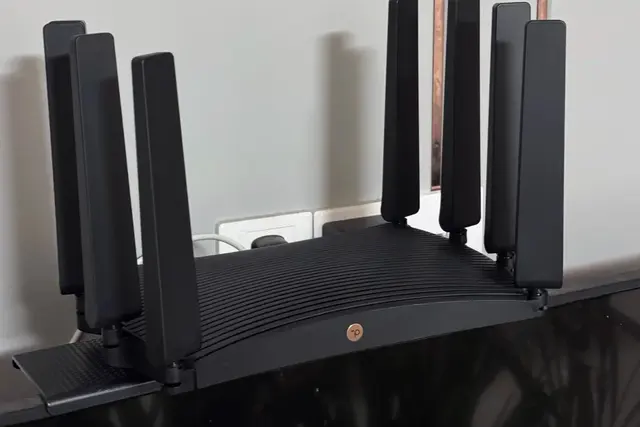
TP-Link TL-7DR7290 and TL-7DR7270 wired mesh: coverage across two floors
I use two wired TP-Link routers as access points, with a TL-R5005PE-AC as the main router. Coverage is strong except in awkward corners, and my phone switches as I walk between floors.
Reviews & Guides · Computing & Networking
TP-Link TL-7DR7290: 610 Mbps at the closed-door bathroom corner
I tested one TP-Link TL-7DR7290 on a 500 Mbps China Unicom line with every room door shut; my bathroom-corner speed test reached 610 Mbps.

Reviews & Guides · Computing & Networking
TP-Link TL-7DR7290 in a 20-year-old house: 2.5Gbps link readings
I was surprised that my TP-Link network showed 2.5Gbps links in a 20-year-old house with Category 5 cable, though I didn’t photograph the cable label.