
Reviews & Guides · Computing & Networking
TP-Link TL-7DR7290 in a 20-year-old house: 2.5Gbps link readings
Reviewed: TP-Link TL-7DR7290Regional reference: TP-Link TL-7DR7290 (Mainland China); TP-Link Archer BE550 (US); TP-Link Archer BE550 (UK)
I was surprised that my TP-Link network showed 2.5Gbps links in a 20-year-old house with Category 5 cable, though I didn’t photograph the cable label.
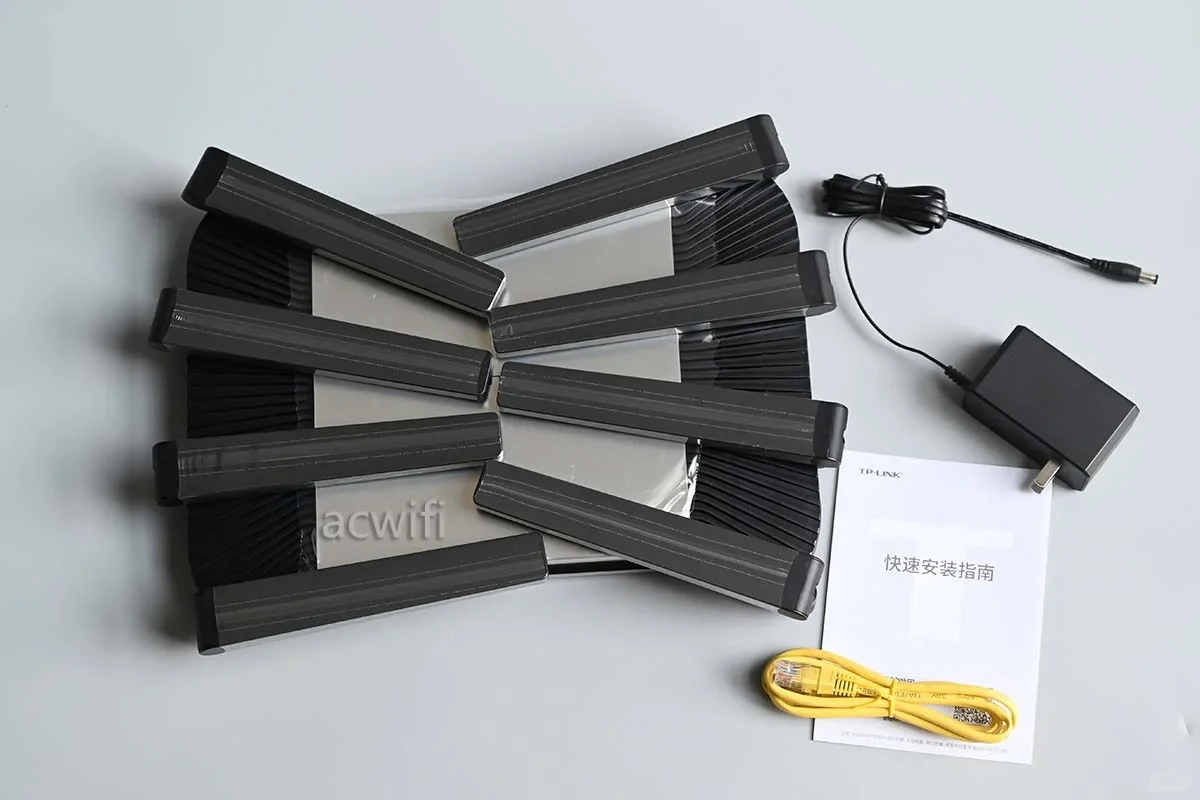
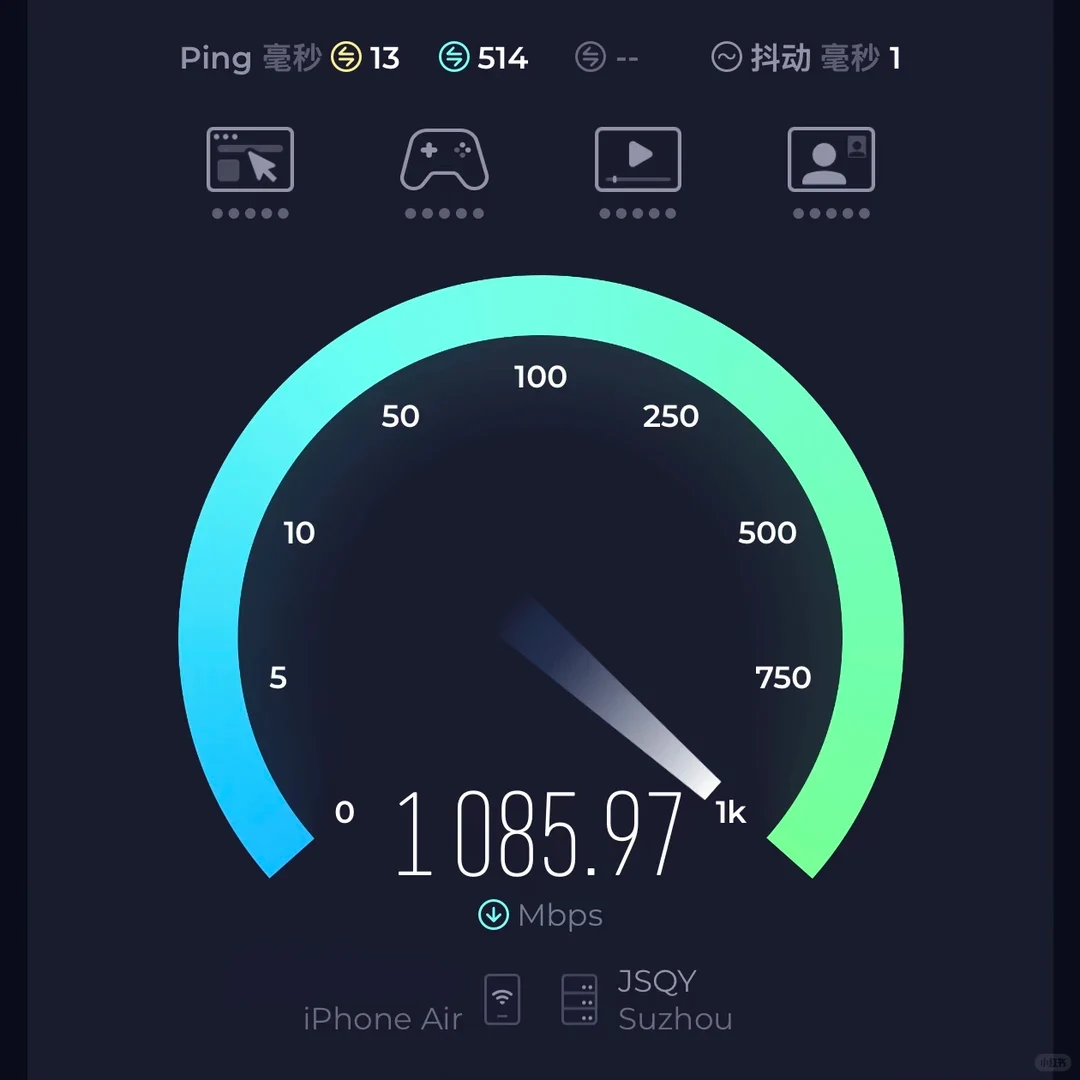
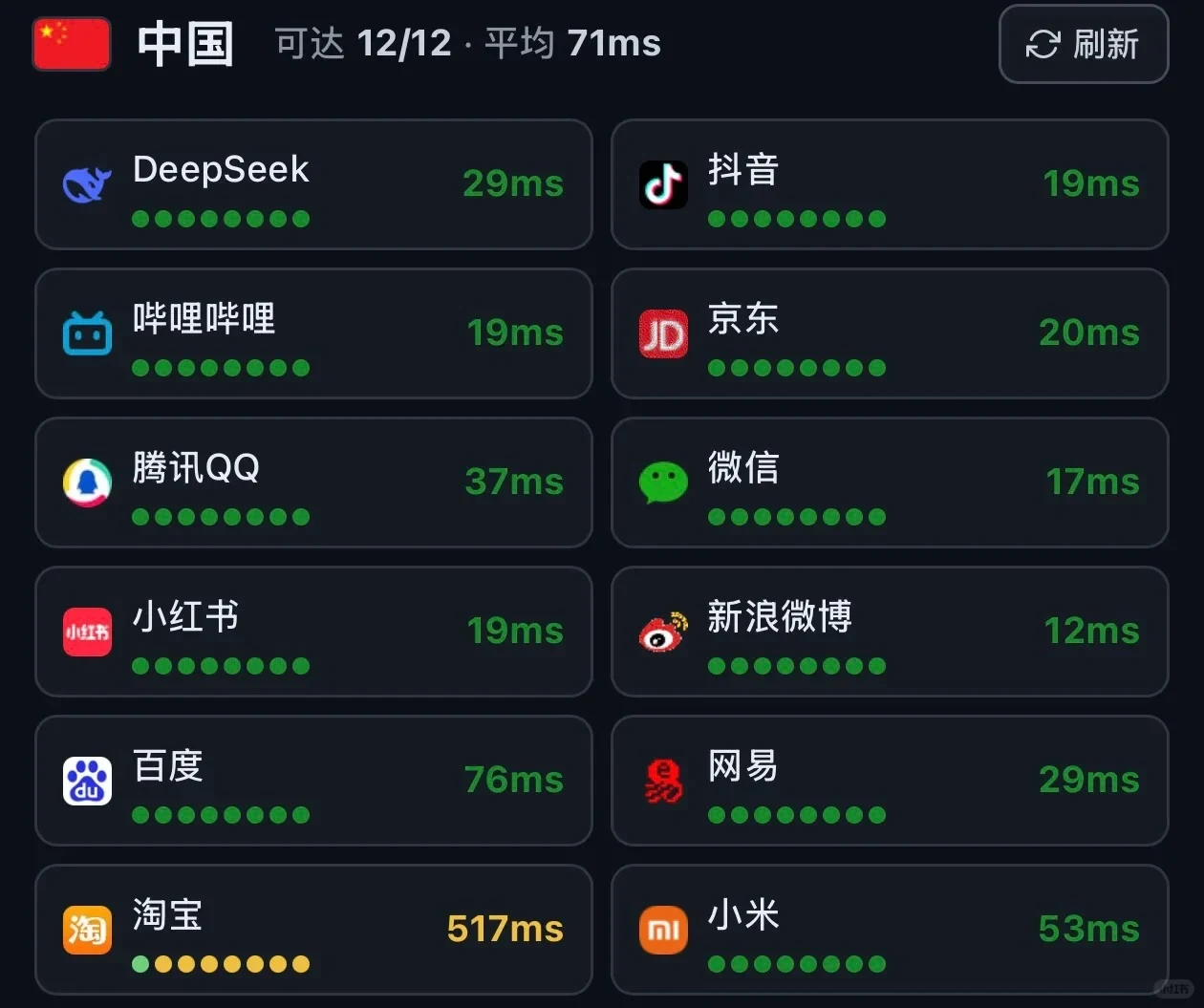
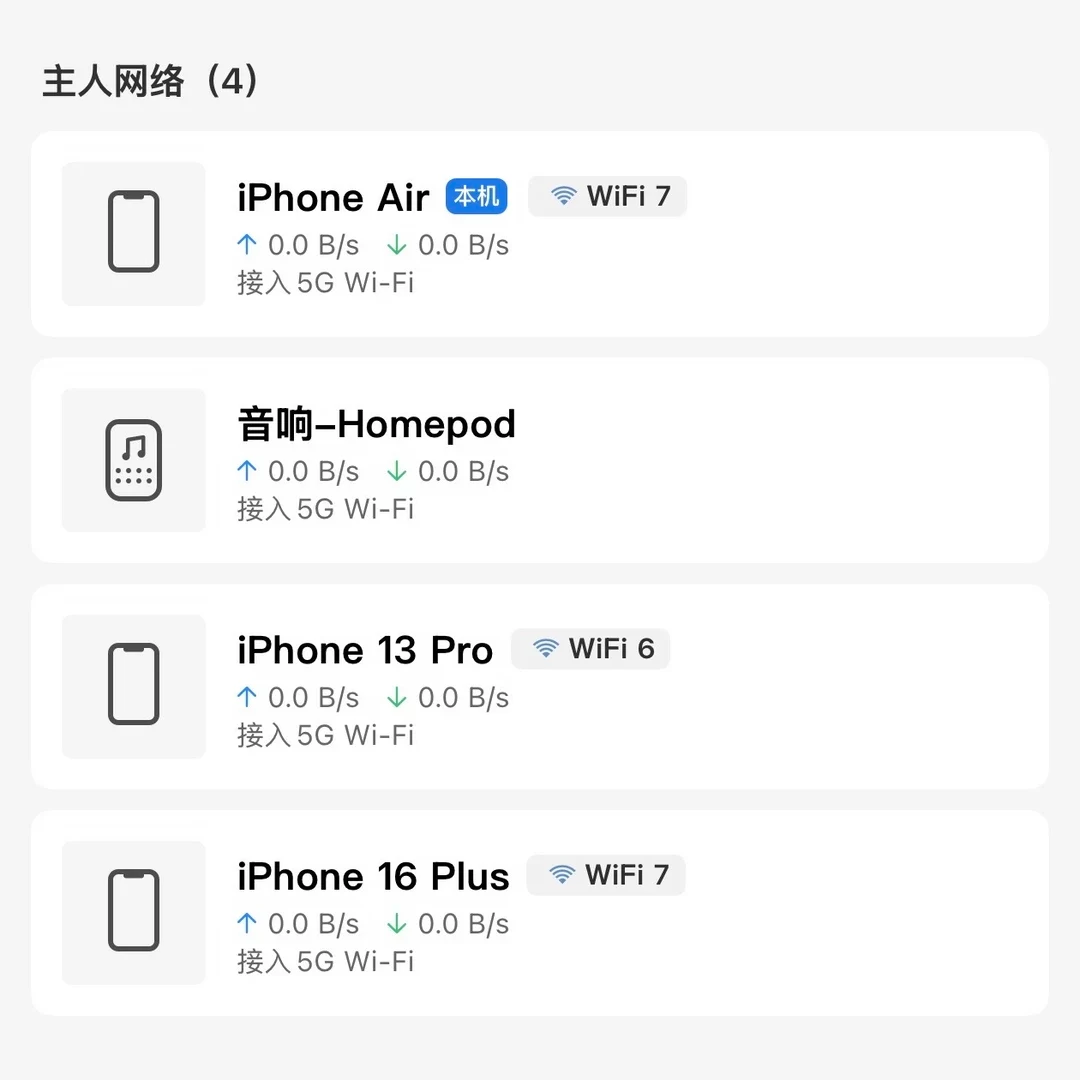
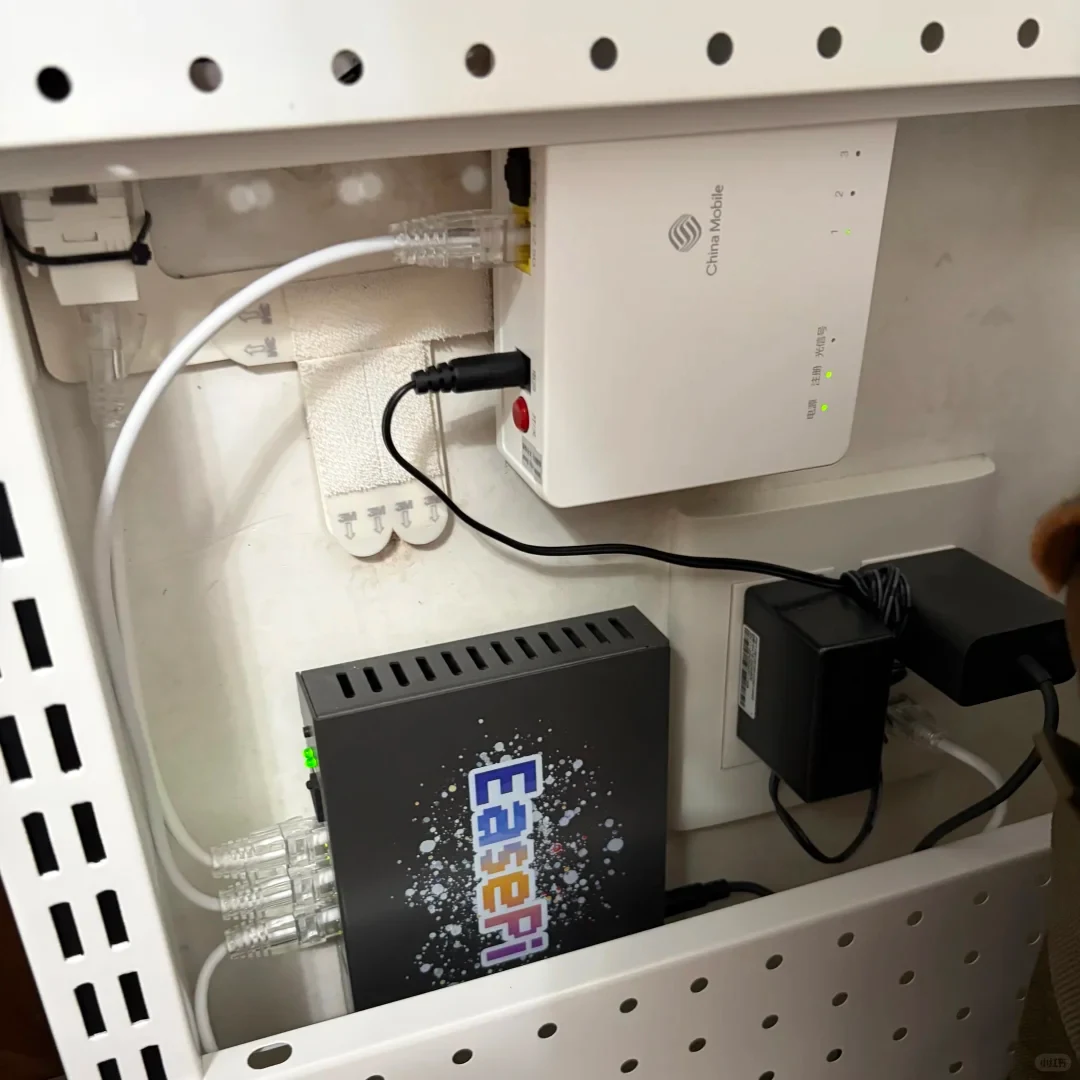
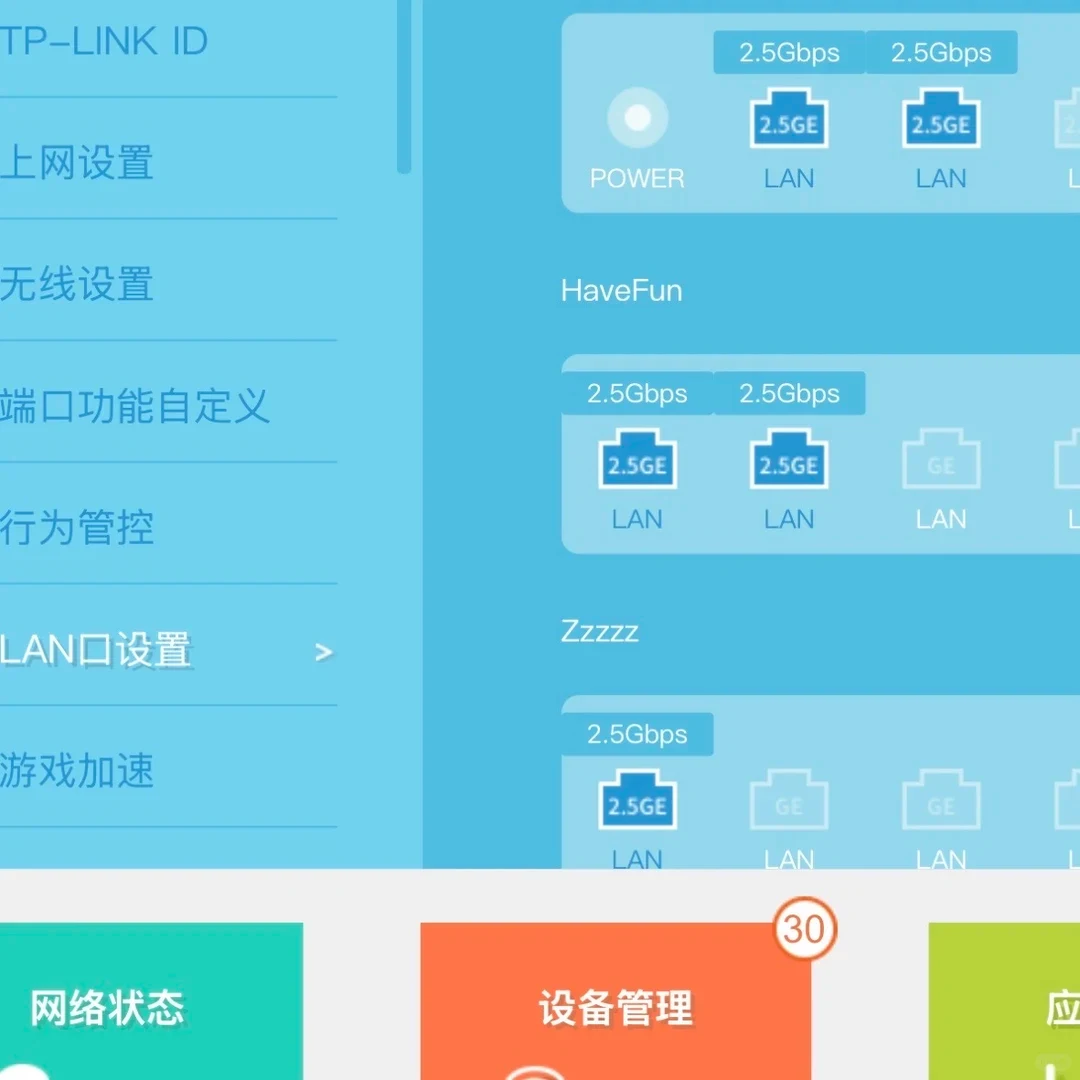
A little showing off: speed and latency. For a house renovated 20 years ago, I’d guess these speeds put it in the top 1%.
I was also pretty surprised that Category 5 cable could run at 2.5G.
Here are the basics
The house was renovated 20 years ago, with fiber coming into the home. I replaced the network modules and changed the optical network terminal to a ZTE F7005. It’s compact, has no Wi-Fi, and runs at a reasonable temperature, so it suits my needs perfectly.
Category 5 Ethernet cable (it’s labeled on the cable, but I forgot to take a photo).
The main router is an R1 running iStore, with some Docker applications. It has two 2.5G ports and two Gigabit ports, and its ARM architecture keeps power use low.
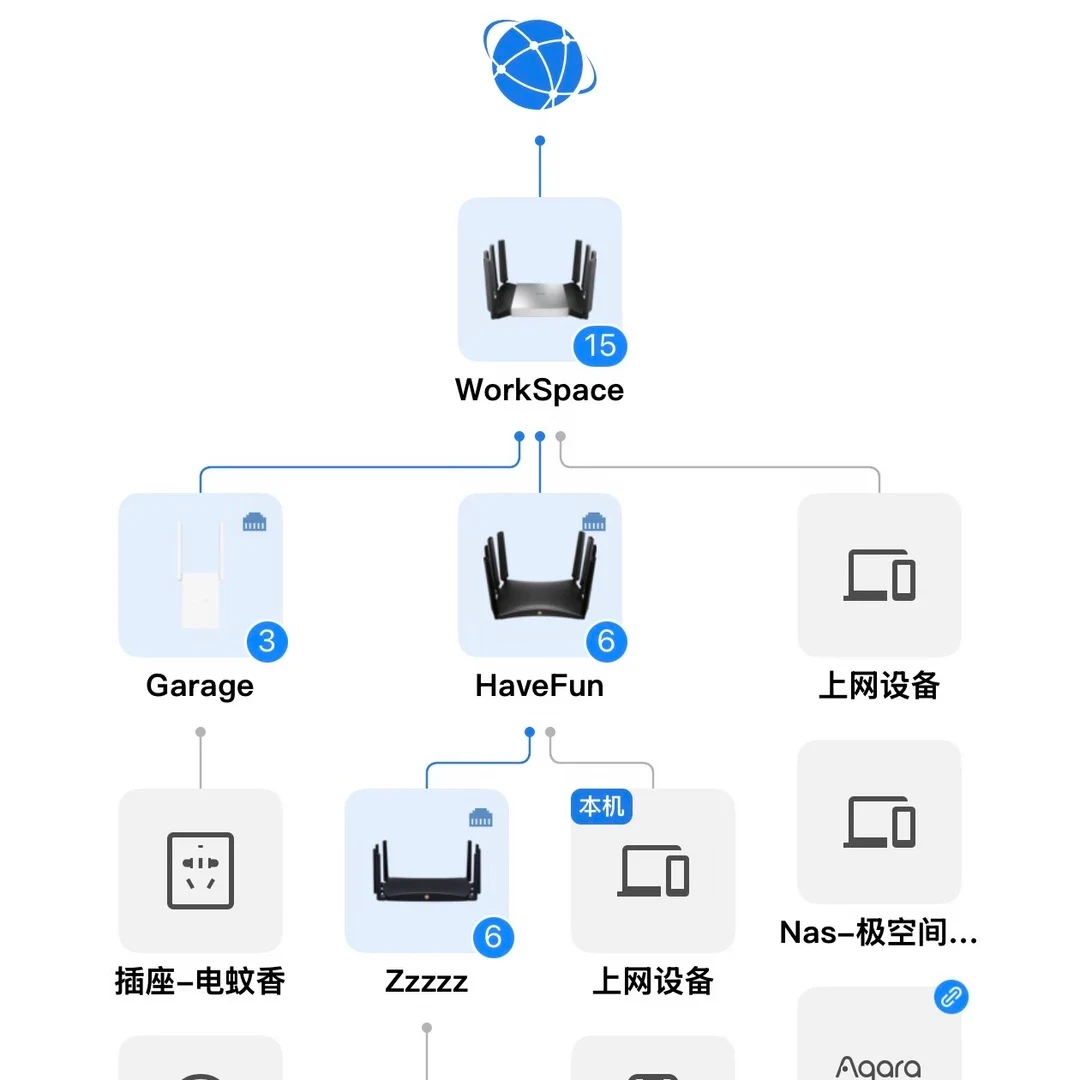
A full TP-Link setup: the 7290, 7270, 7230, and an AX3000 hanging out in the garage. The management interfaces show link rates of 2.5G.
Source: karl · Xiaohongshu · 2026-08-25 · 5类线,跑2.5G. Search this Chinese title in Xiaohongshu to find the original post.
Before You Buy
Models in your region
The owner names the TP-Link 7290 in a multi-node home network; the official mainland China product page identifies the TL-7DR7290. The reported 2.5Gbps rates are interface readings, not a controlled test proving that the cable sustains that throughput. The US and UK Archer BE550 are comparison products, not regional renames of the TL-7DR7290.
| Model in this review | Related regional model | What to know |
|---|---|---|
| TP-Link TL-7DR7290 | TP-Link TL-7DR7290 (Mainland China) | The official mainland China page identifies this as the TL-7DR7290, matching the owner’s 7290 name. It lists four 2.5GbE and four Gigabit adaptive WAN/LAN ports. The owner’s reported link rates do not establish cable throughput. |
| TP-Link TL-7DR7290 | TP-Link Archer BE550 (US) | The US Archer BE550 is a different product, not a regional relabel of the TL-7DR7290. It is a tri-band BE9300 router with 6GHz and five 2.5GbE ports. |
| TP-Link TL-7DR7290 | TP-Link Archer BE550 (UK) | The UK Archer BE550 is also a different product from the TL-7DR7290. It is tri-band BE9300 with 6GHz and five 2.5GbE ports; check country and hardware revision when comparing availability. |
- Model in this review
- TP-Link TL-7DR7290
- Related regional model
- TP-Link TL-7DR7290 (Mainland China)
- What to know
- The official mainland China page identifies this as the TL-7DR7290, matching the owner’s 7290 name. It lists four 2.5GbE and four Gigabit adaptive WAN/LAN ports. The owner’s reported link rates do not establish cable throughput.
- Model in this review
- TP-Link TL-7DR7290
- Related regional model
- TP-Link Archer BE550 (US)
- What to know
- The US Archer BE550 is a different product, not a regional relabel of the TL-7DR7290. It is a tri-band BE9300 router with 6GHz and five 2.5GbE ports.
- Model in this review
- TP-Link TL-7DR7290
- Related regional model
- TP-Link Archer BE550 (UK)
- What to know
- The UK Archer BE550 is also a different product from the TL-7DR7290. It is tri-band BE9300 with 6GHz and five 2.5GbE ports; check country and hardware revision when comparing availability.
What the 2.5Gbps readings show
Interface panels in this home network displayed 2.5Gbps links. The setup included the 7290, 7270, 7230 and an AX3000 garage node, but the account does not map a measured link rate to every device. That is evidence of the rates shown by the interfaces, not a cable certification or a controlled measurement of sustained data transfer.
The owner described the cable as Category 5 but did not photograph its printed label. The exact cable specification therefore cannot be independently confirmed, and the reported interface readings alone do not show what throughput the cable maintains under sustained traffic.
Ports and regional alternatives
The mainland China TL-7DR7290 has four 2.5GbE and four Gigabit adaptive WAN/LAN ports, according to TP-Link’s official product page. This port mix is useful when planning wired connections, but the source account does not identify which individual ports or cable runs produced each displayed link rate.
The US and UK Archer BE550 offer a different configuration: tri-band BE9300, 6GHz and five 2.5GbE ports. They are not regional versions of the TL-7DR7290, so their specifications should not be used to interpret the owner’s experience with the 7290.
TP-Link’s mainland China page says that features and services are designed for mainland China and that availability abroad is not promised. Buyers considering an imported TL-7DR7290 should confirm local availability and support; the supplied information does not establish those conditions for a particular country.
Related Reading

Reviews & Guides · Computing & Networking
TP-Link TL-7DR7290 and TL-7DR7270 wired mesh: coverage across two floors
I use two wired TP-Link routers as access points, with a TL-R5005PE-AC as the main router. Coverage is strong except in awkward corners, and my phone switches as I walk between floors.

Reviews & Guides · Computing & Networking
TP-Link TL-7DR7290: 610 Mbps at the closed-door bathroom corner
I tested one TP-Link TL-7DR7290 on a 500 Mbps China Unicom line with every room door shut; my bathroom-corner speed test reached 610 Mbps.
Reviews & Guides · Computing & Networking
TP-Link TL-7DR7290: smoother door-camera video, but noticeable heat
I replaced my Xiaomi mesh setup with a TP-Link TL-7DR7290 system. My door camera stopped buffering, but the main router felt very hot.